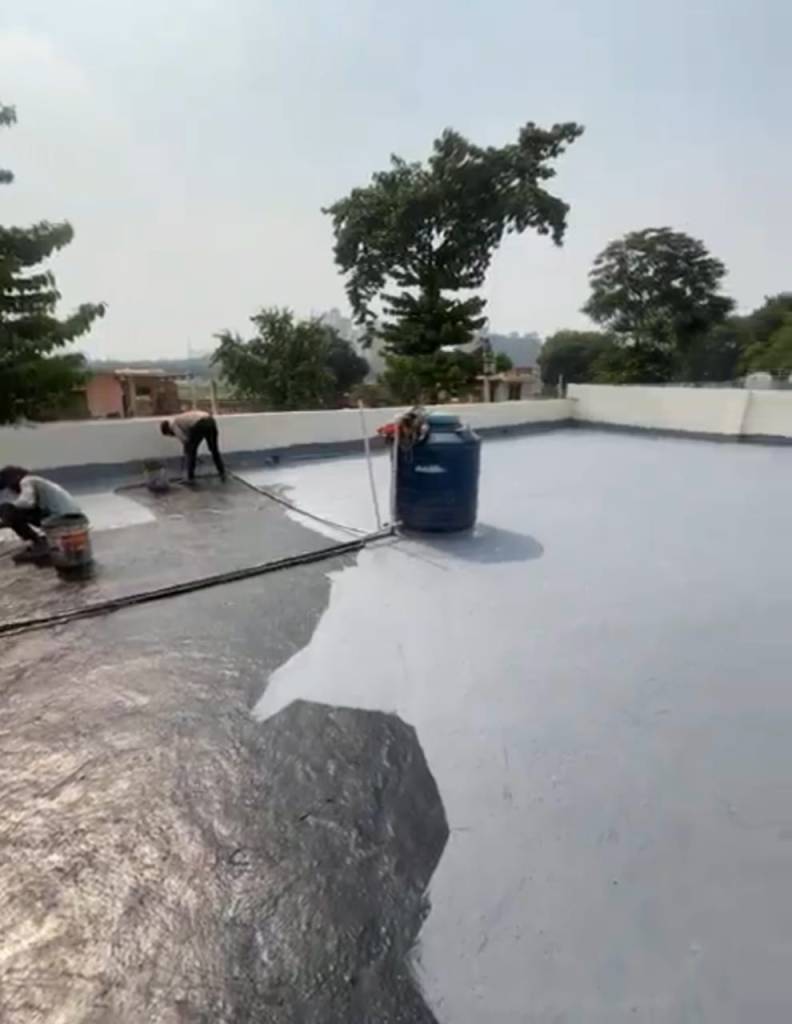
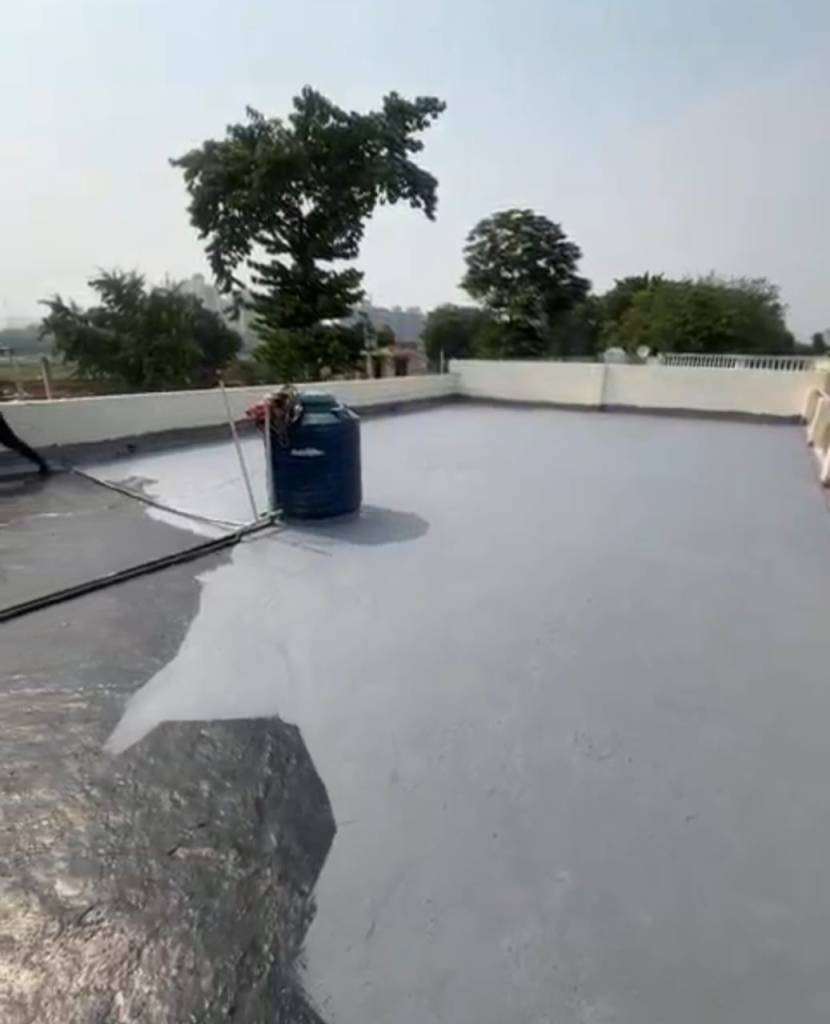
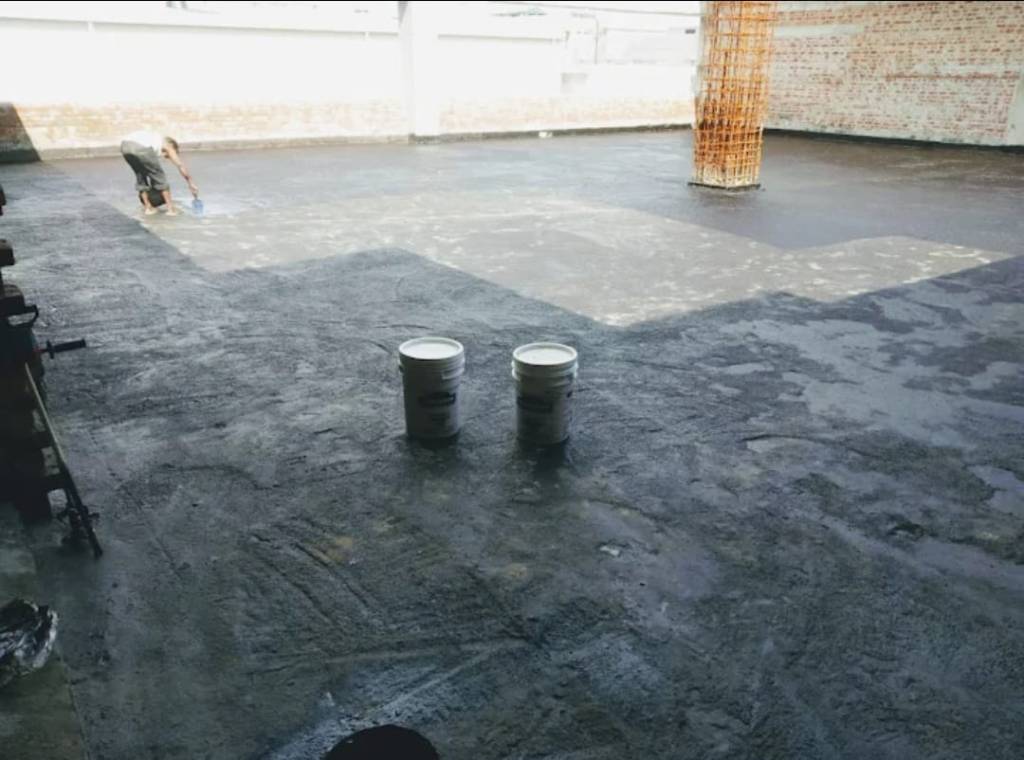
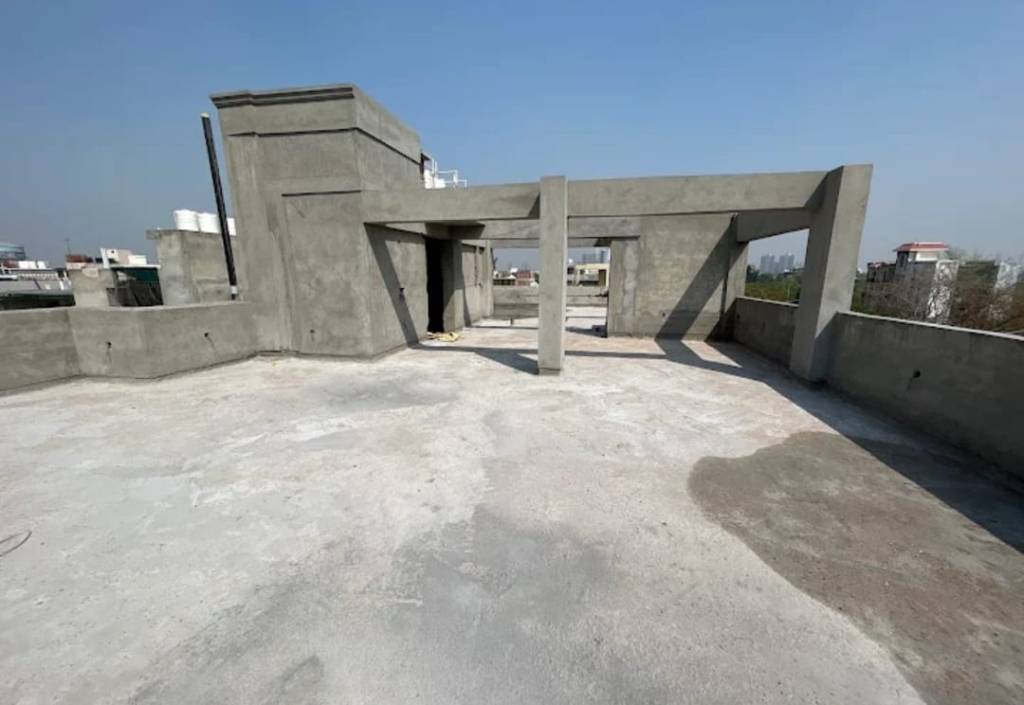
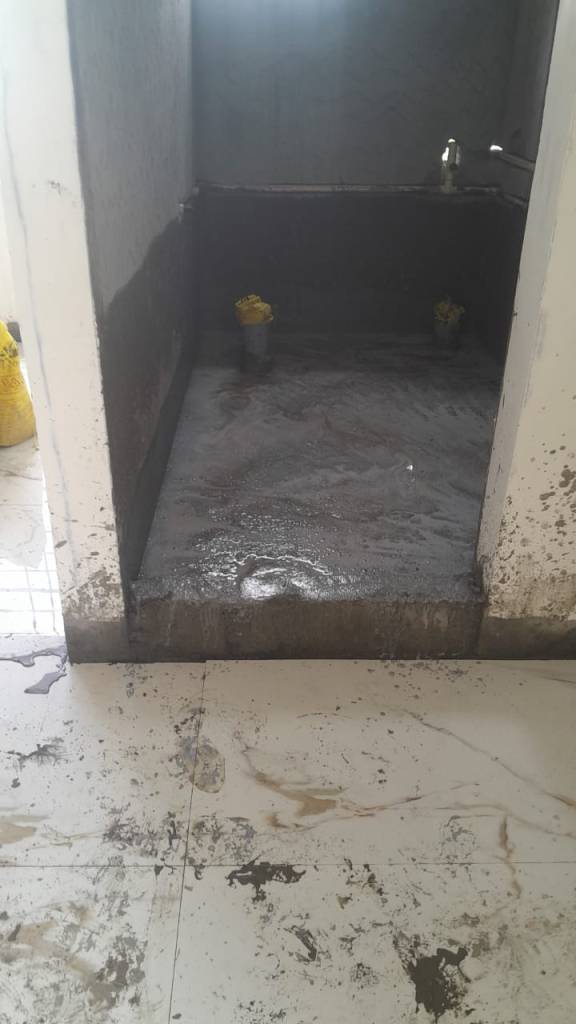
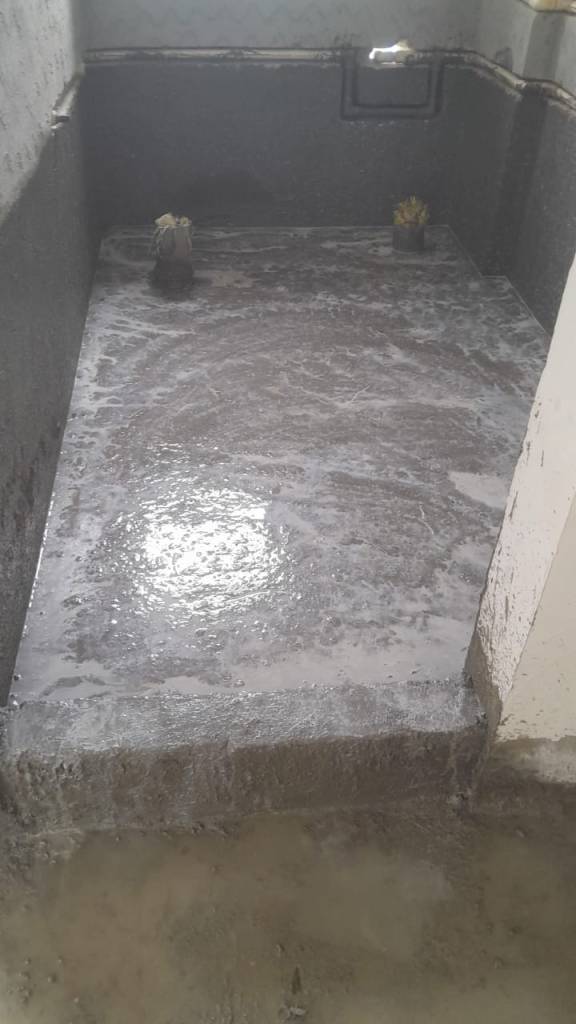
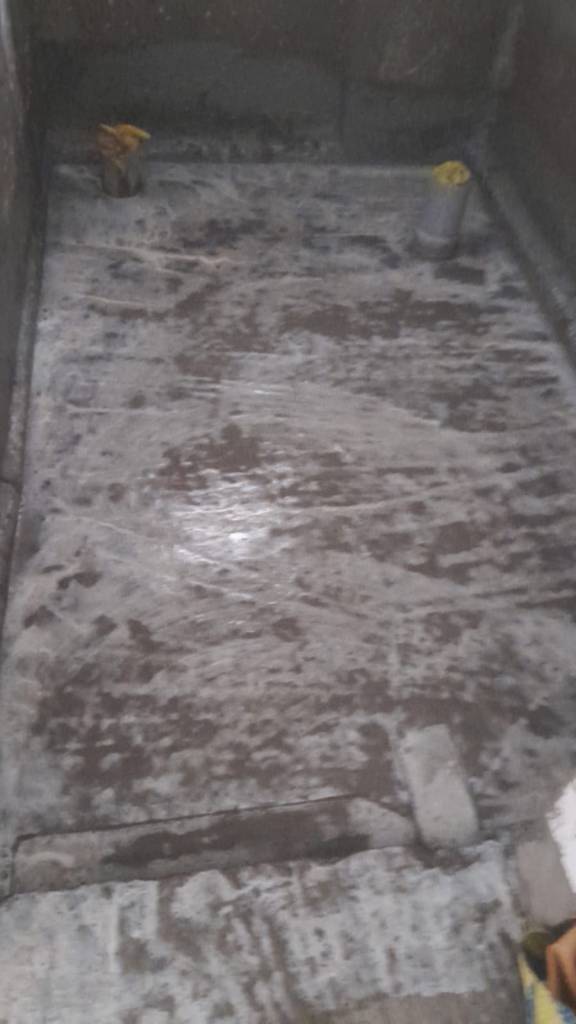
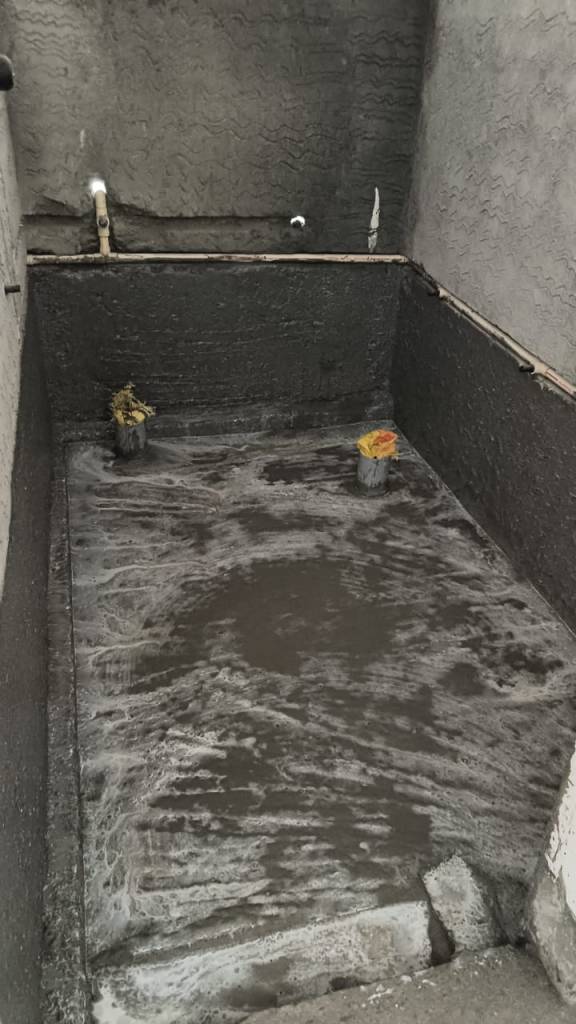
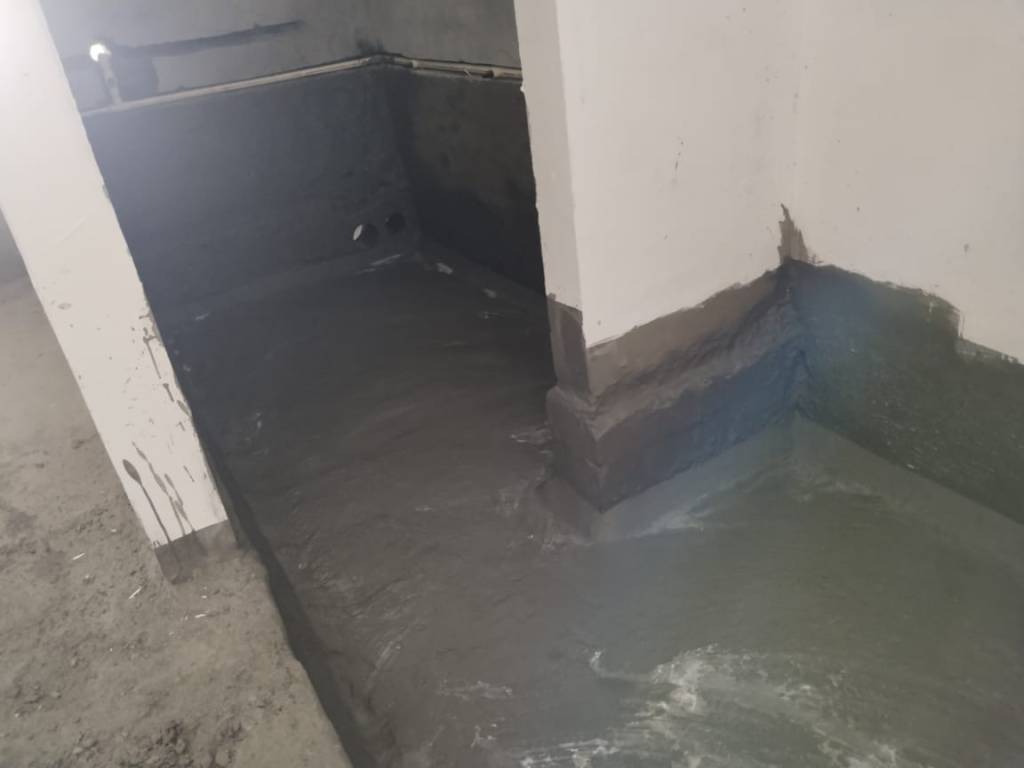
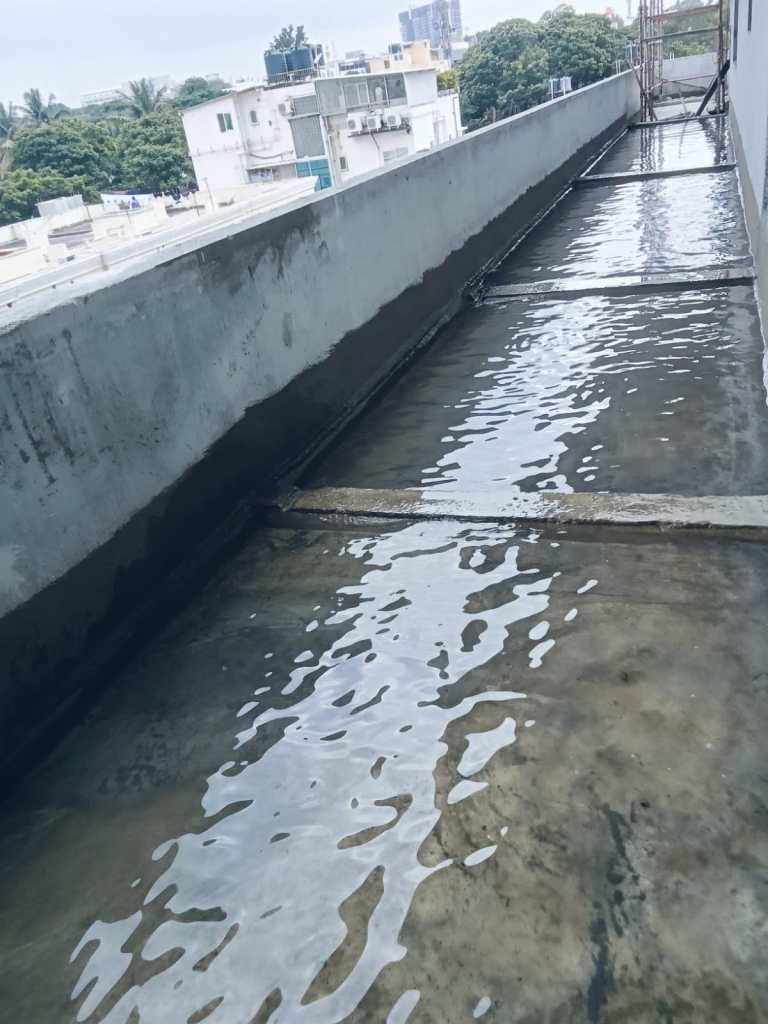
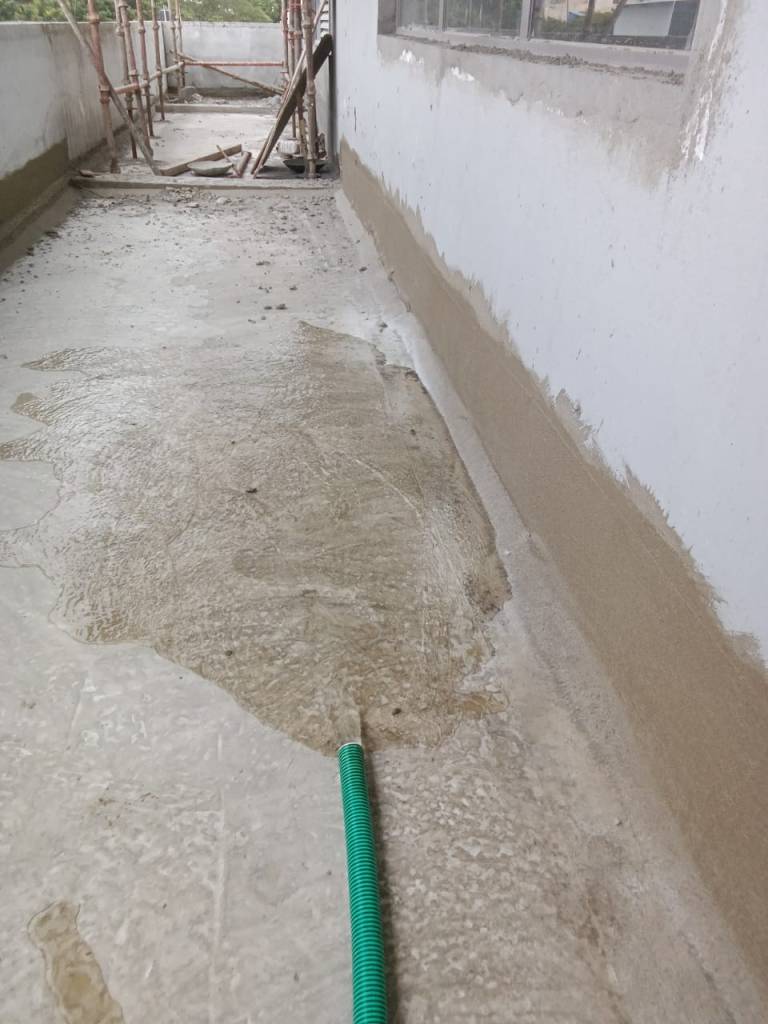
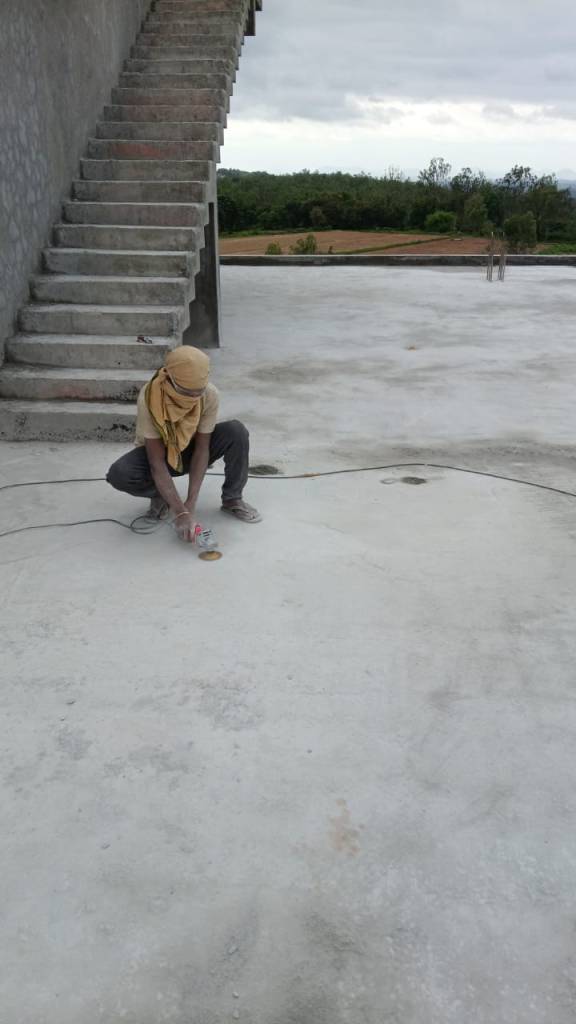
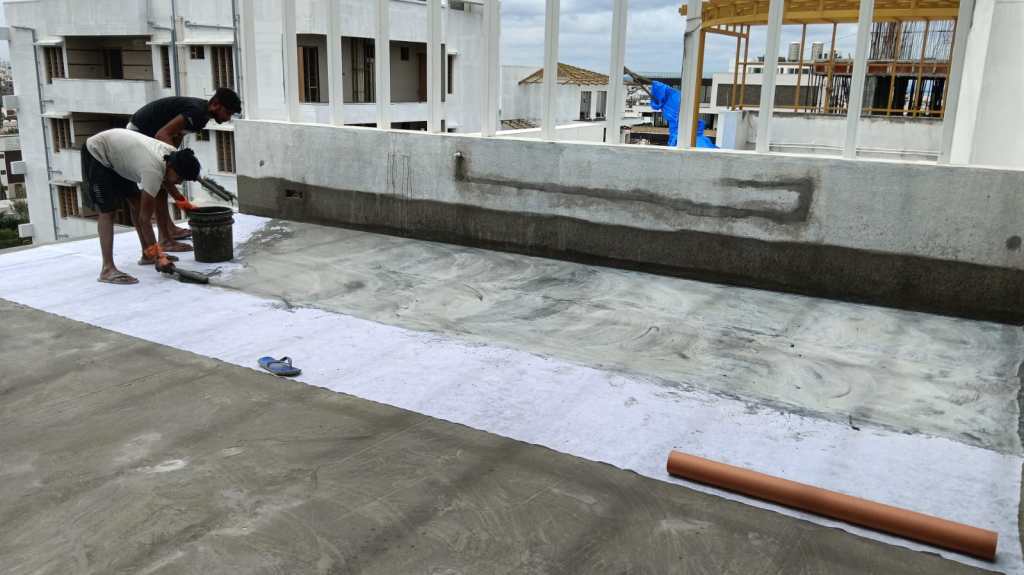
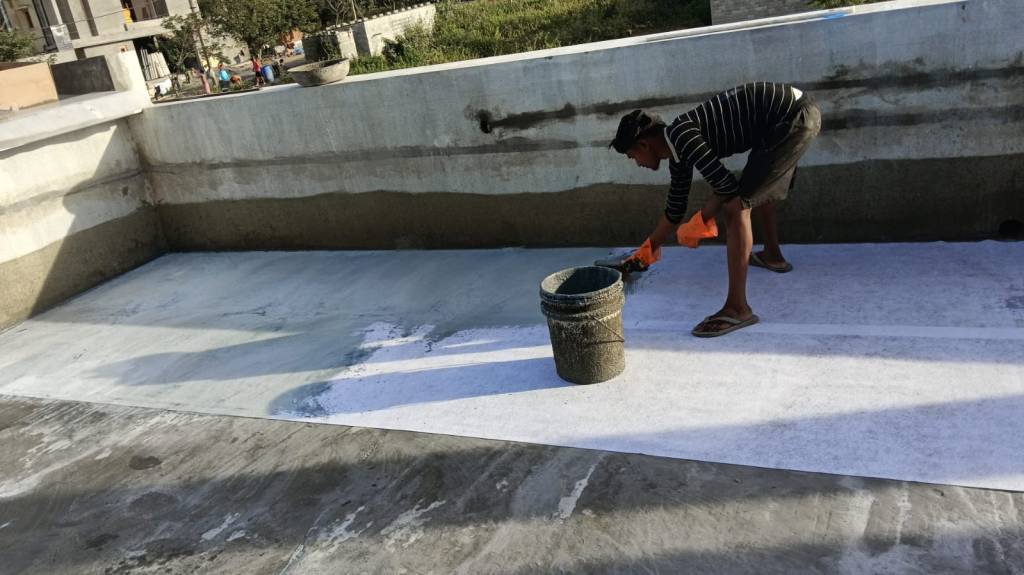
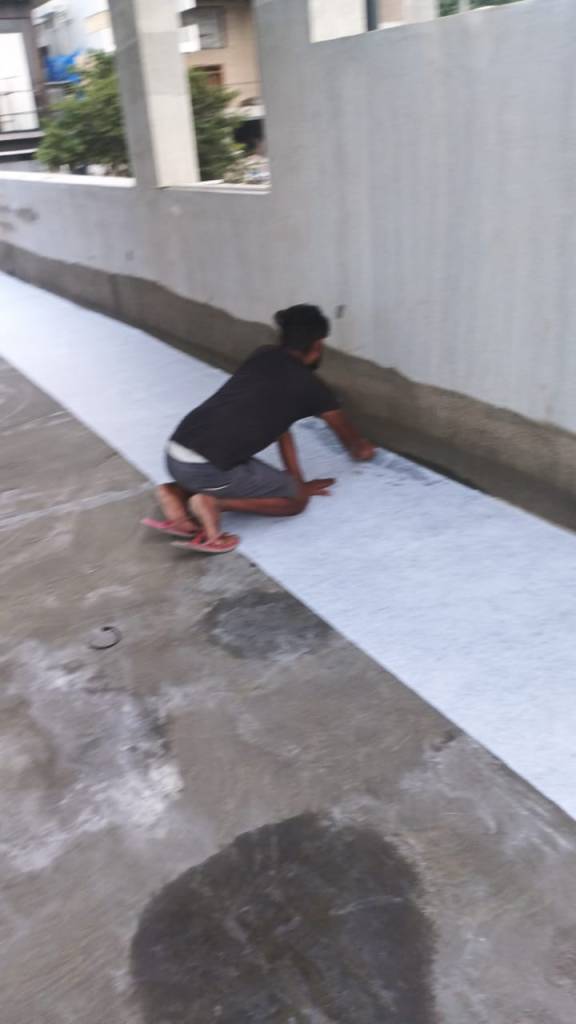
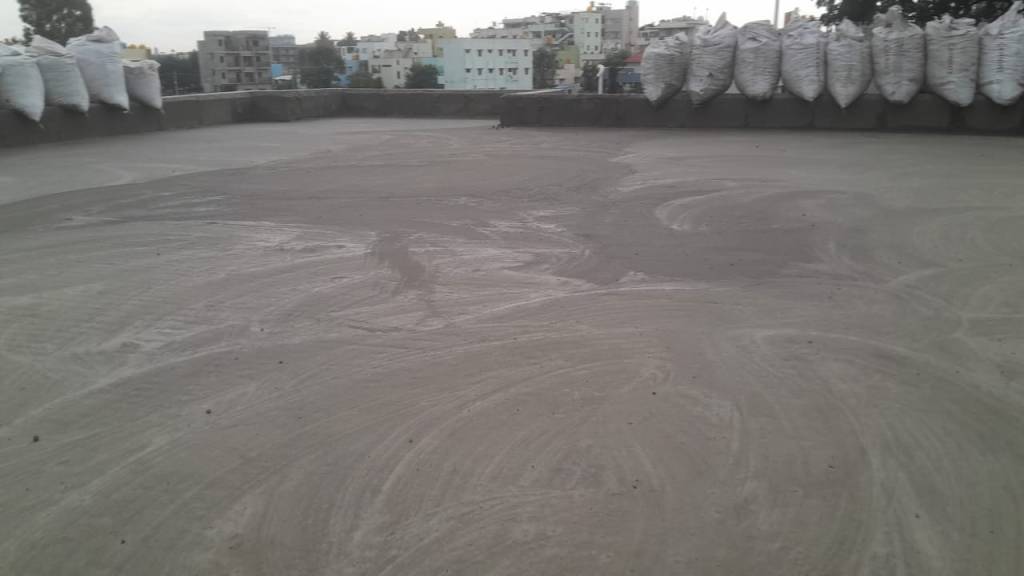
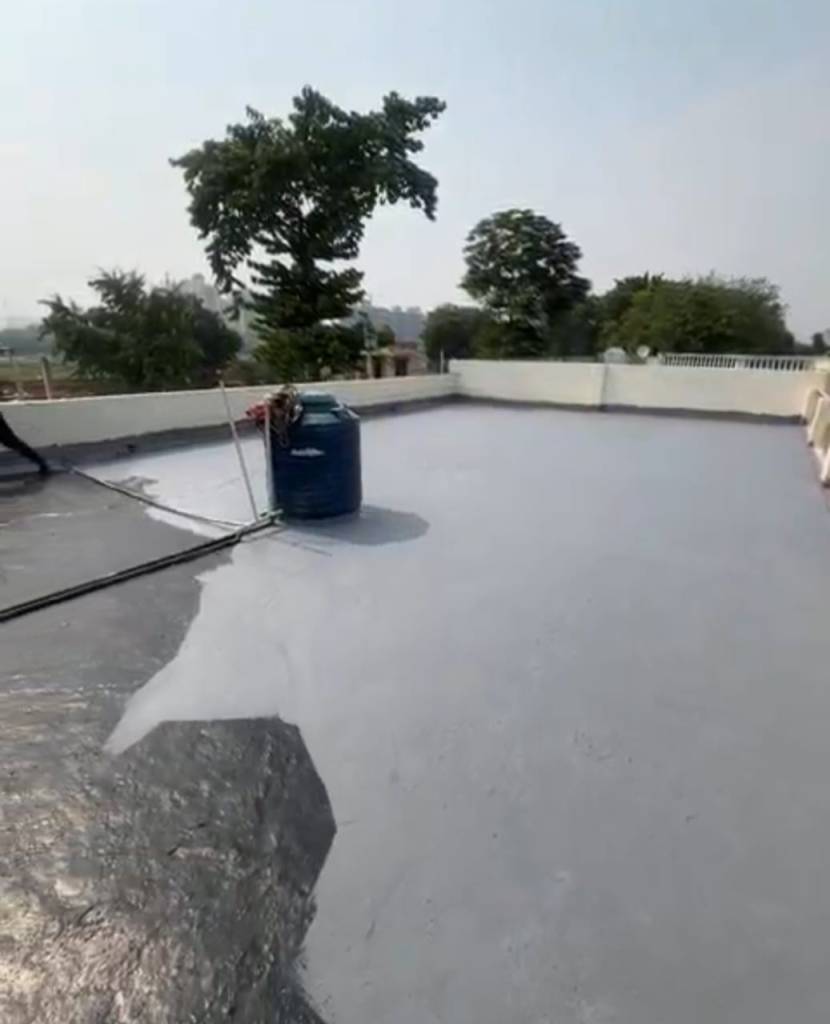
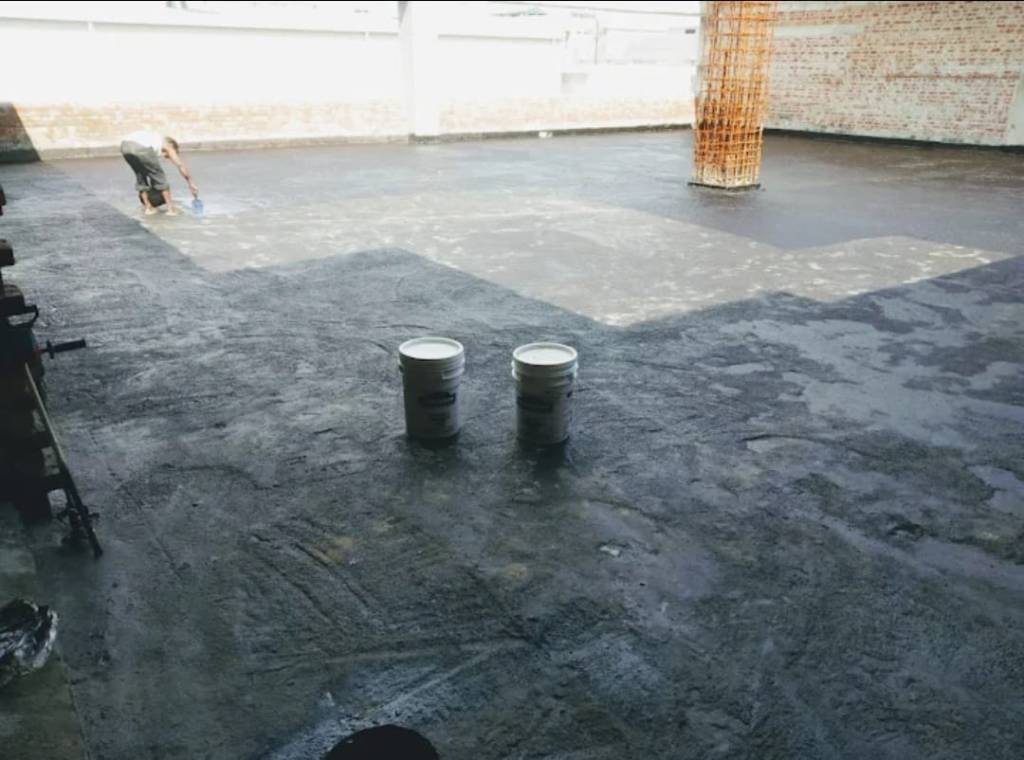
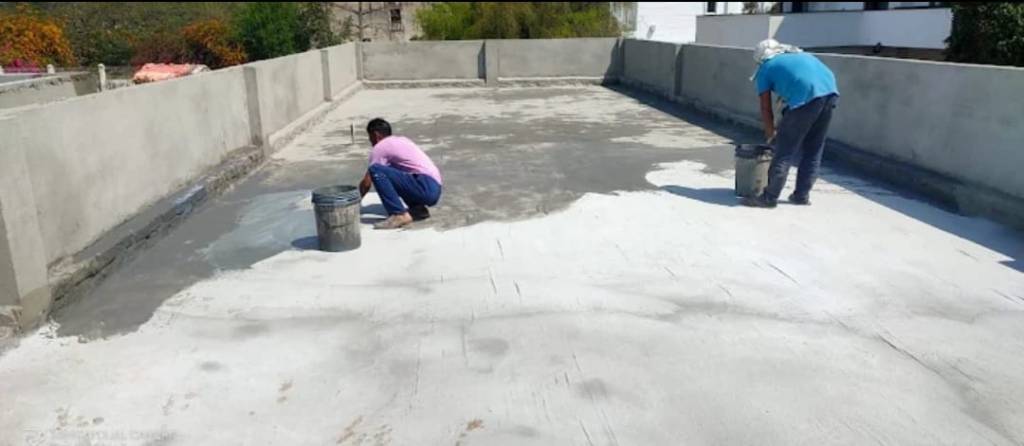
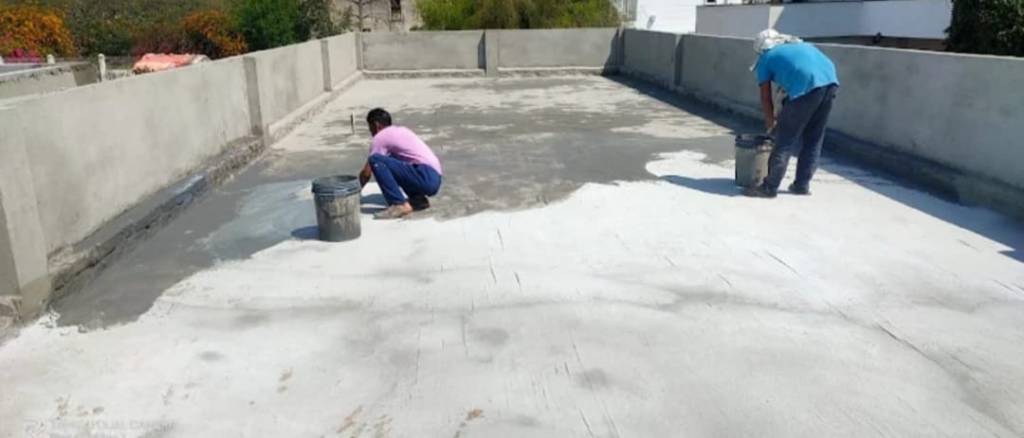
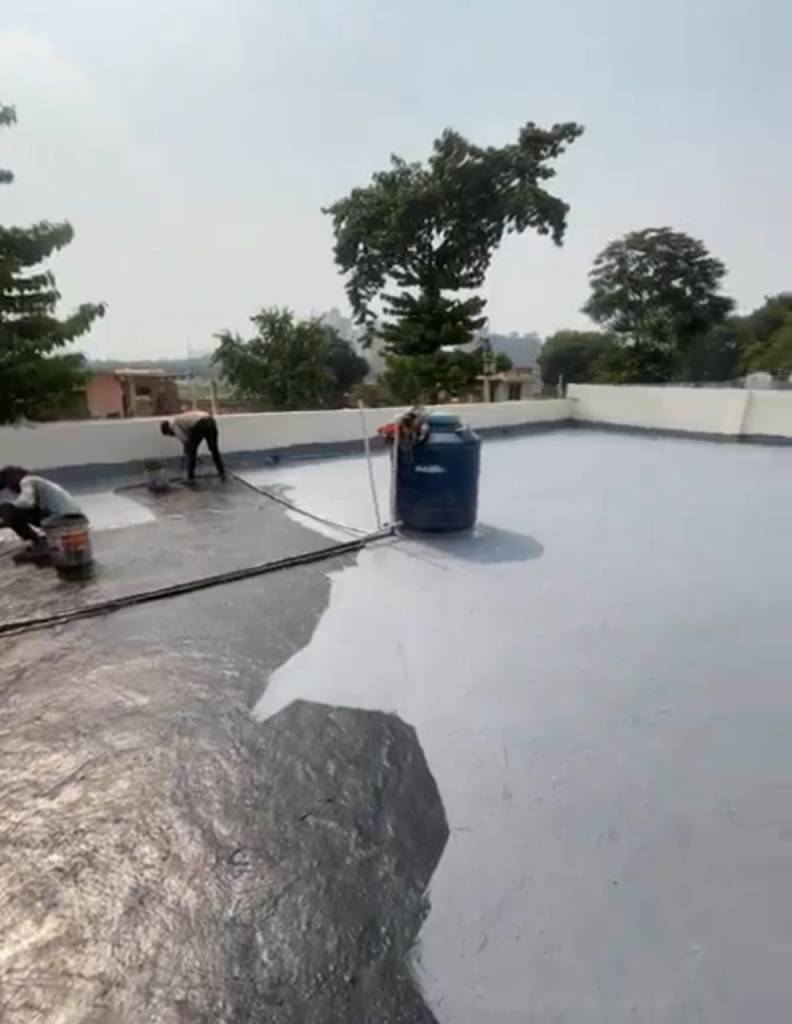
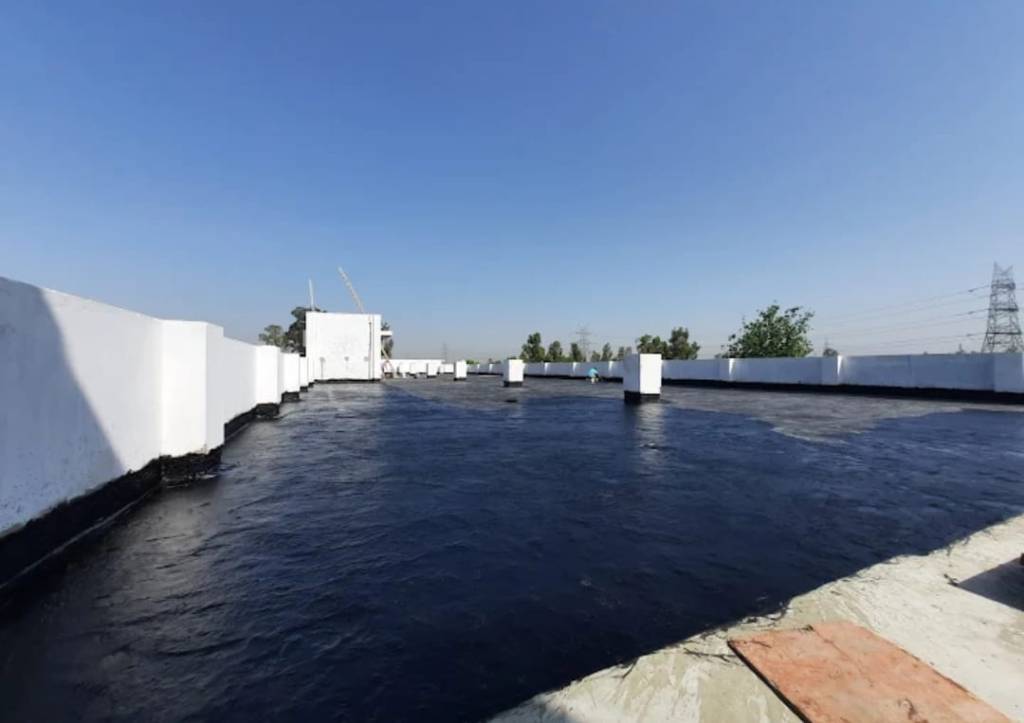
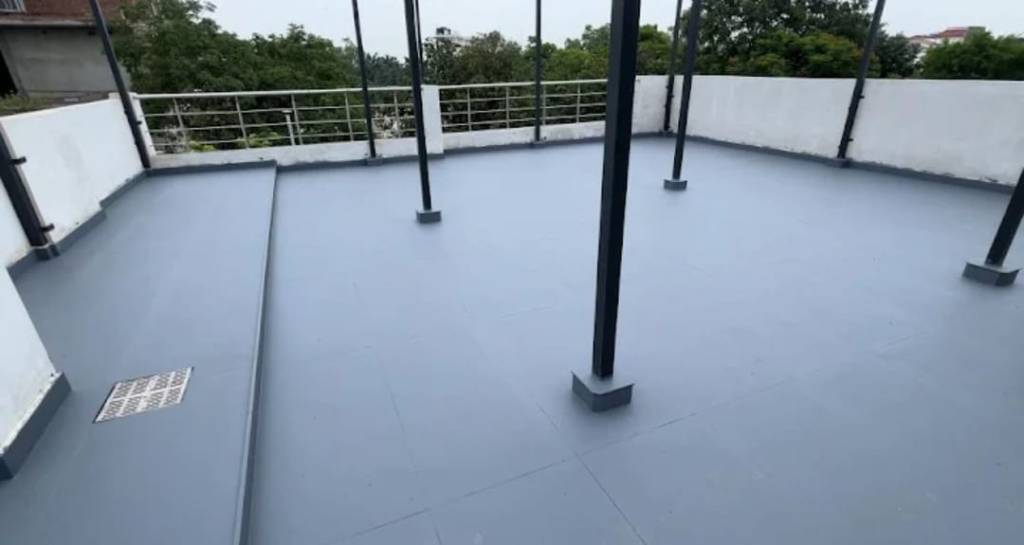
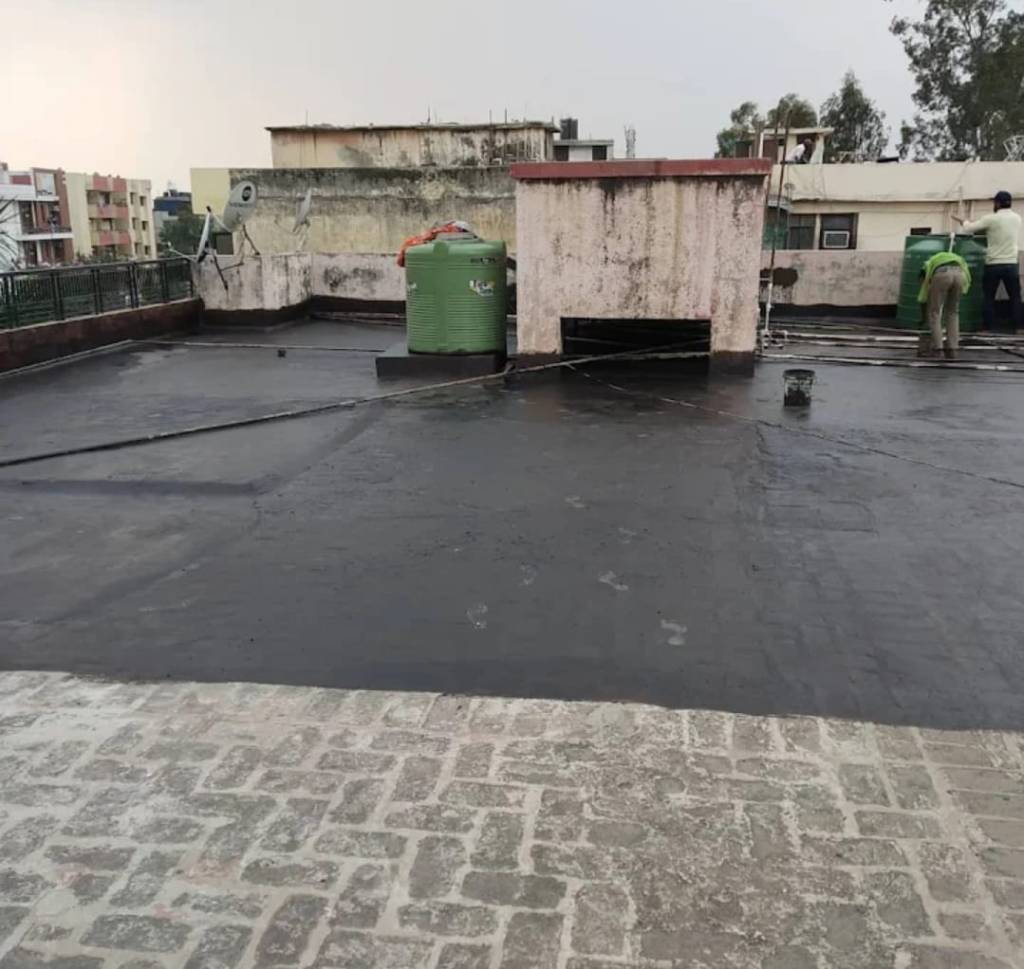
At Vision spaces, we specialize in providing high-quality waterproofing epoxy services designed to protect and extend the lifespan of your property. Whether you need to safeguard your basement, garage, floors, or industrial space, our epoxy solutions deliver superior performance and long-lasting results
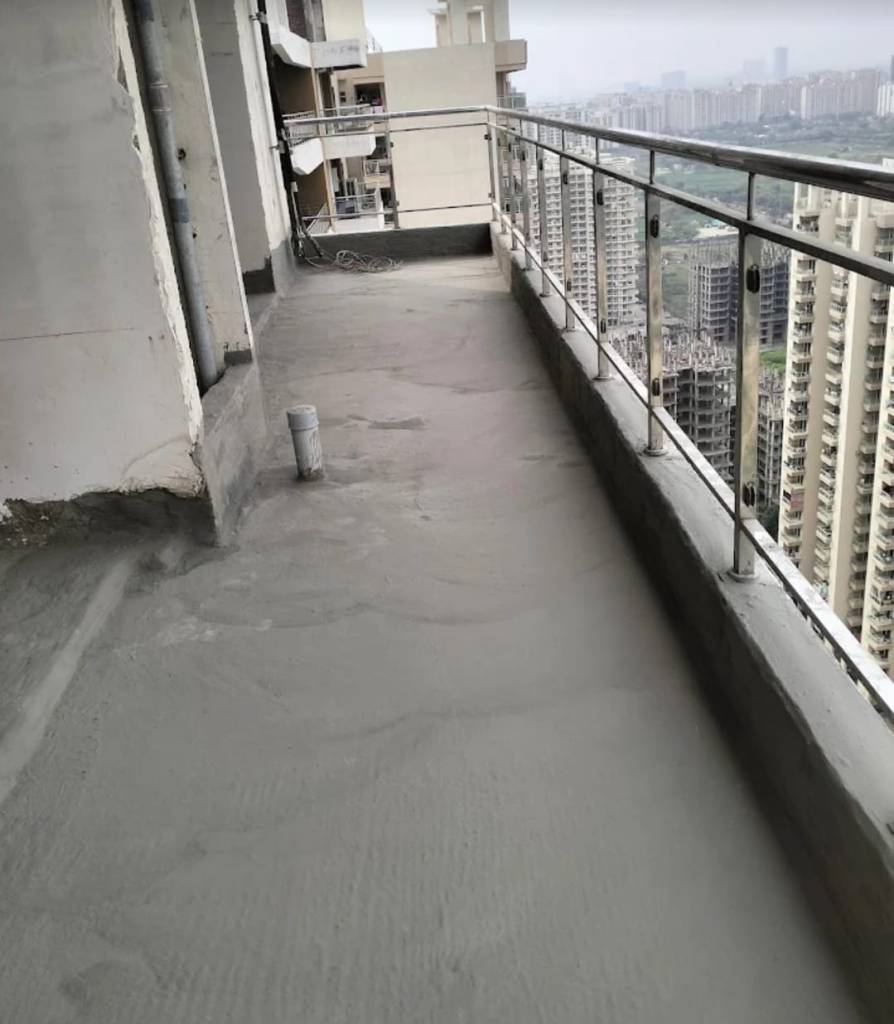
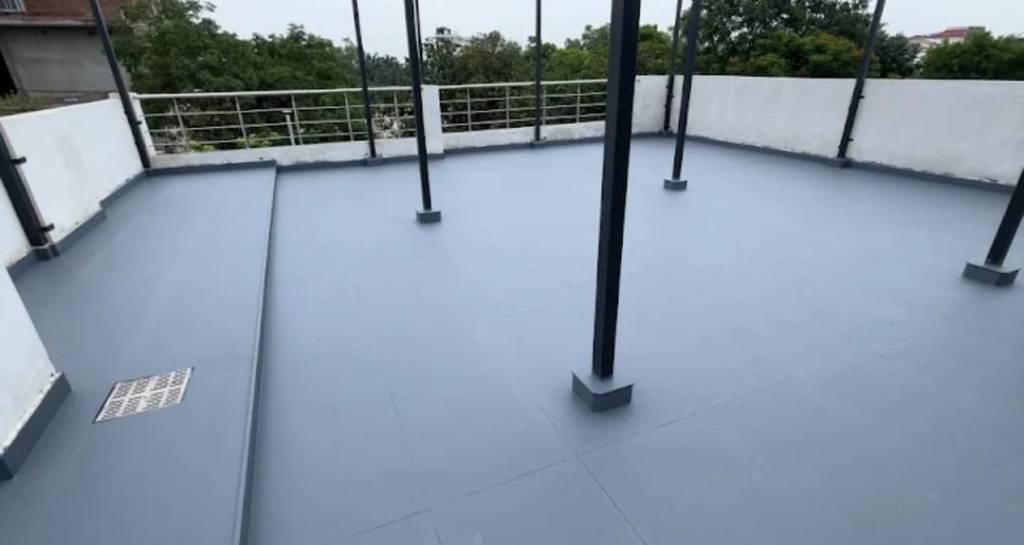
Waterproofing can be applied in various ways depending on the type of surface, the environmental conditions, and the specific needs of the property. Here are the main types of waterproofing solutions used across different areas:
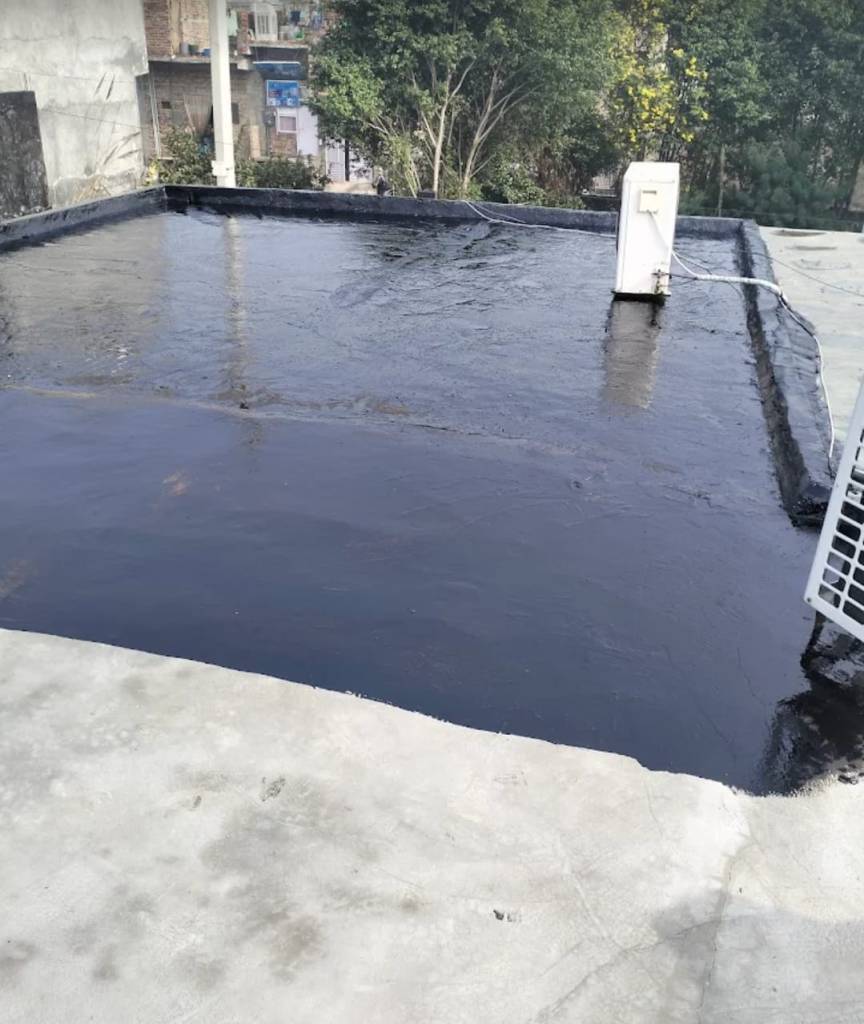
1. Liquid Waterproofing Membranes
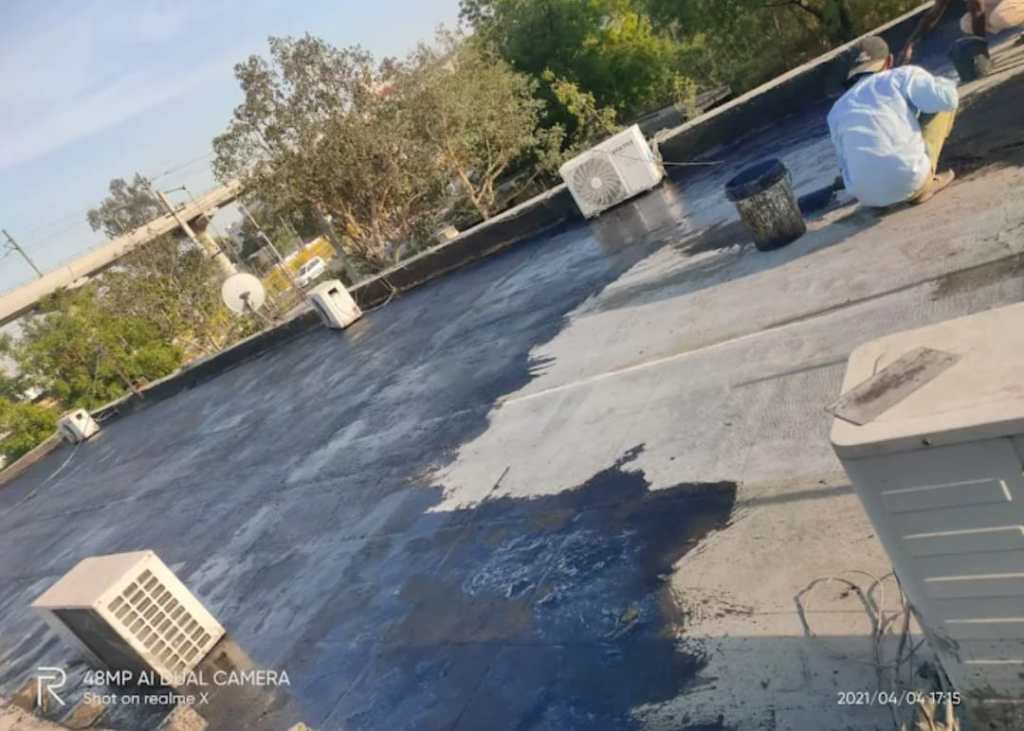
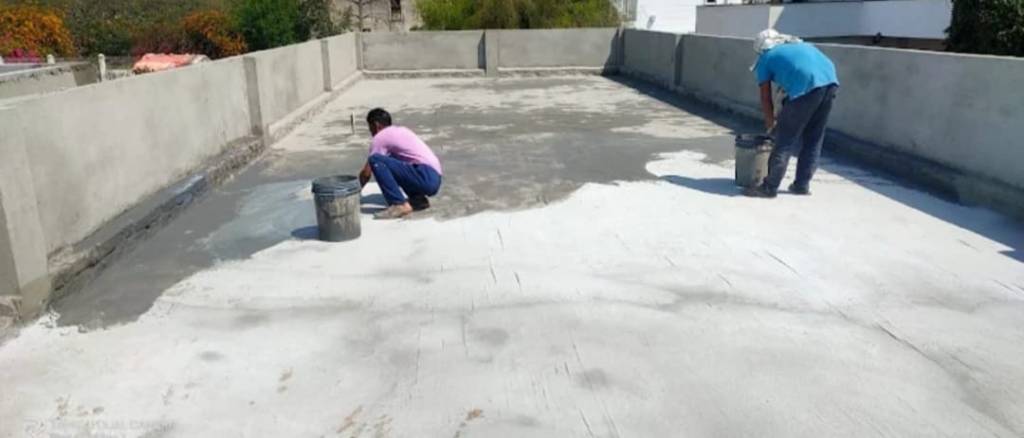
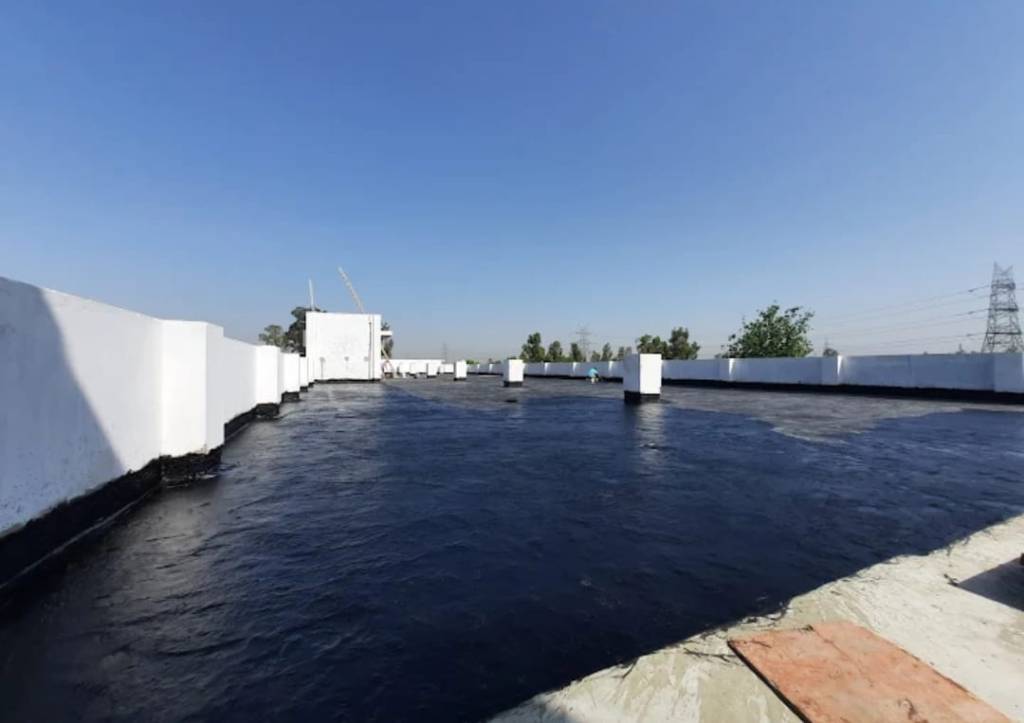
- Description: These are liquid-based coatings that are applied to surfaces and then allowed to dry and form a continuous, seamless membrane.
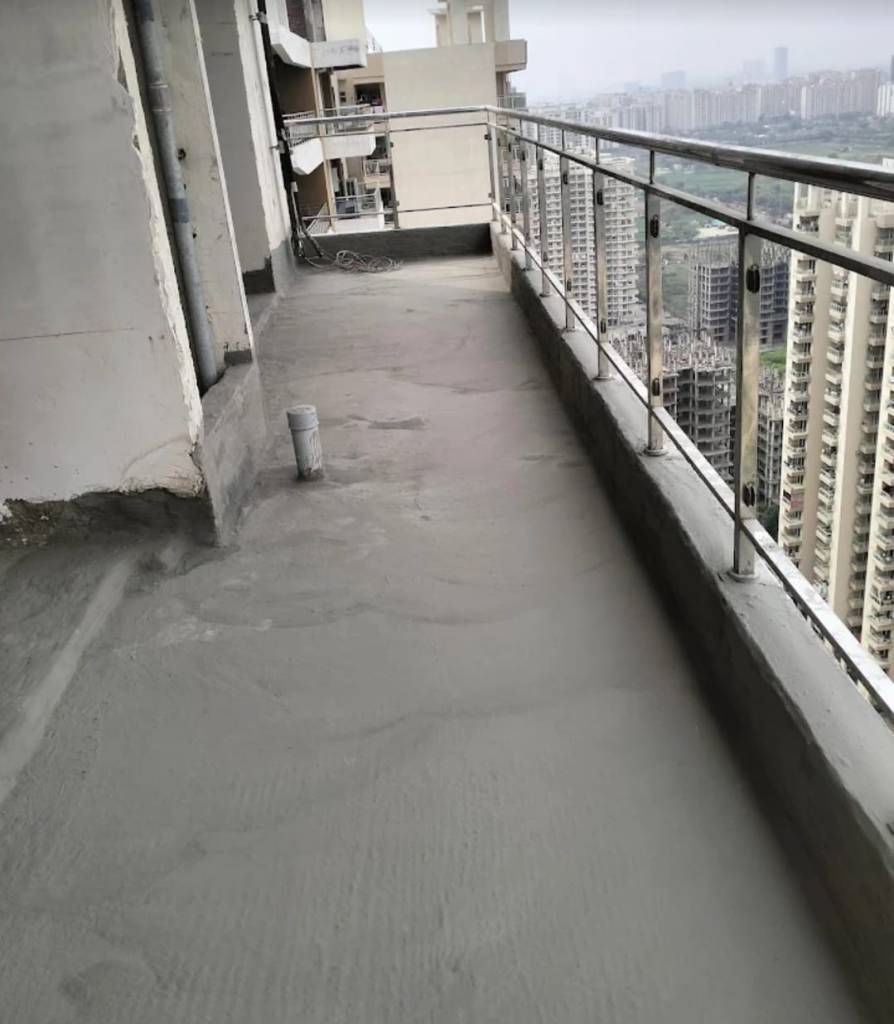
- Uses: Commonly used for roofs, balconies, terraces, and wet areas like bathrooms.
- Advantages: Flexible, seamless, and can be applied to irregular or complex surfaces.
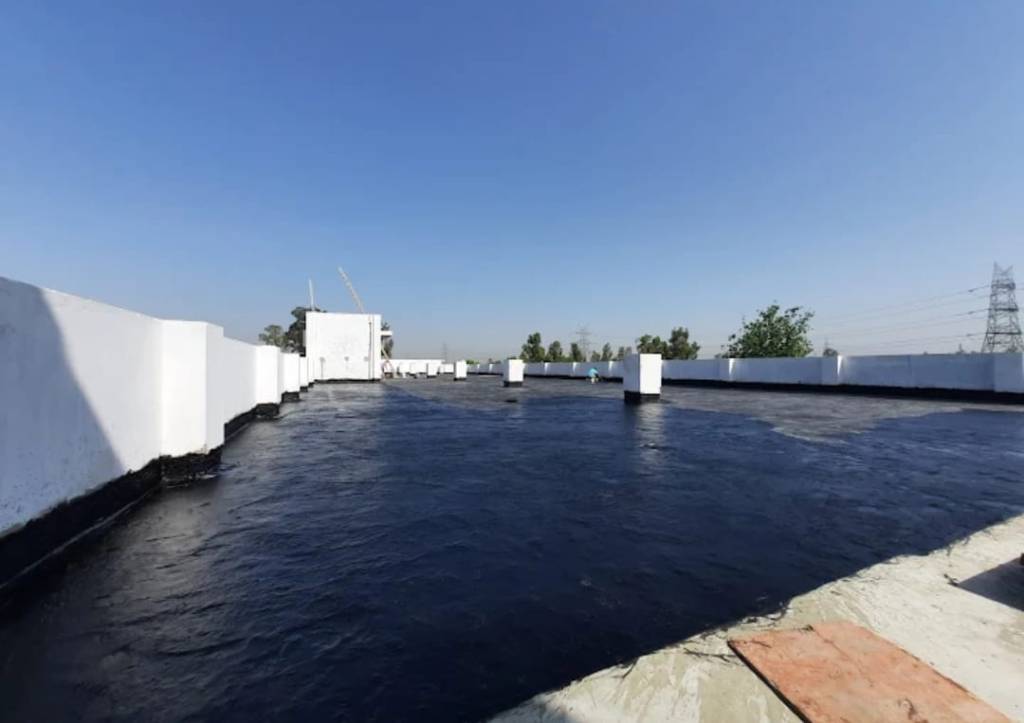
2. Bituminous Membrane Waterproofing
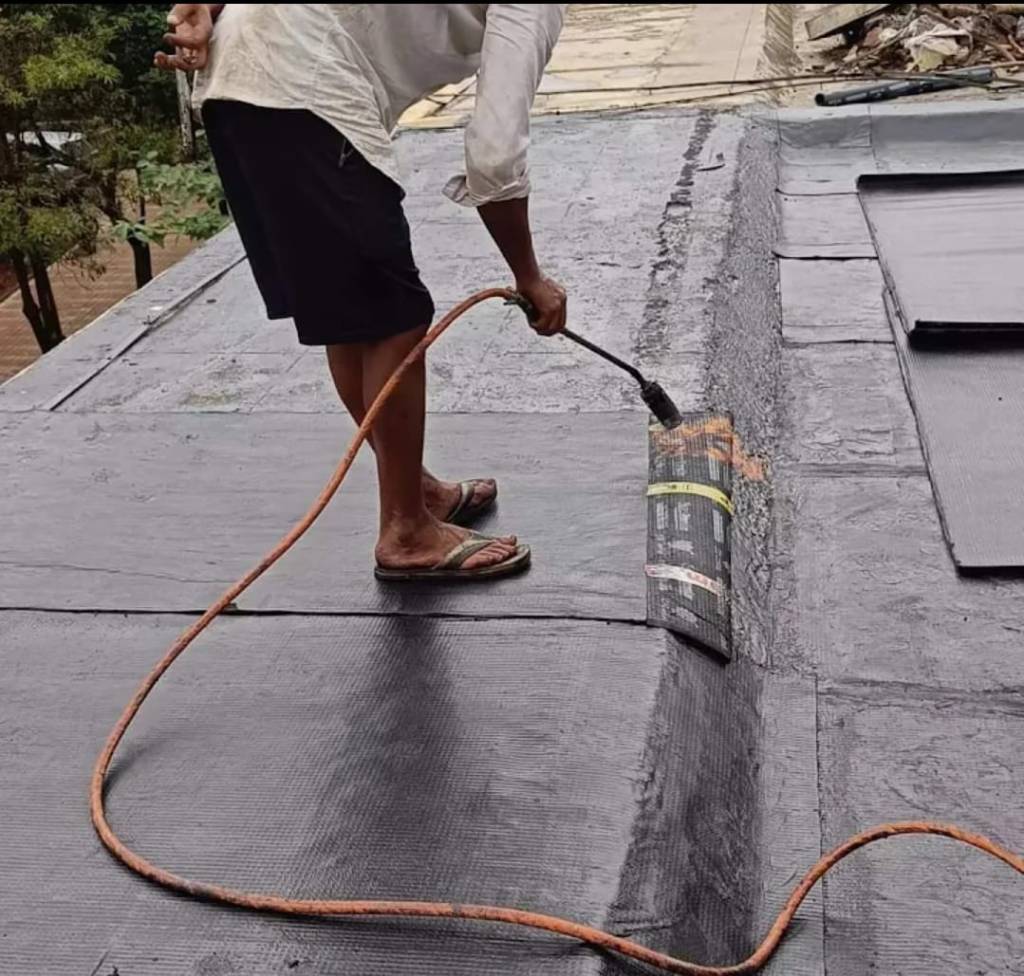
- Description: This involves the use of bitumen-based sheets that are applied to surfaces. These membranes can be self-adhesive or torch-applied with a heat source.
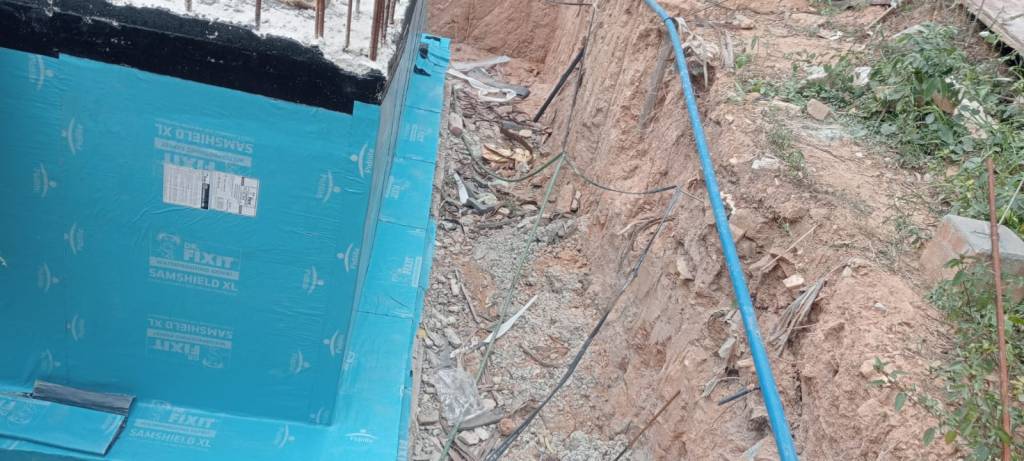
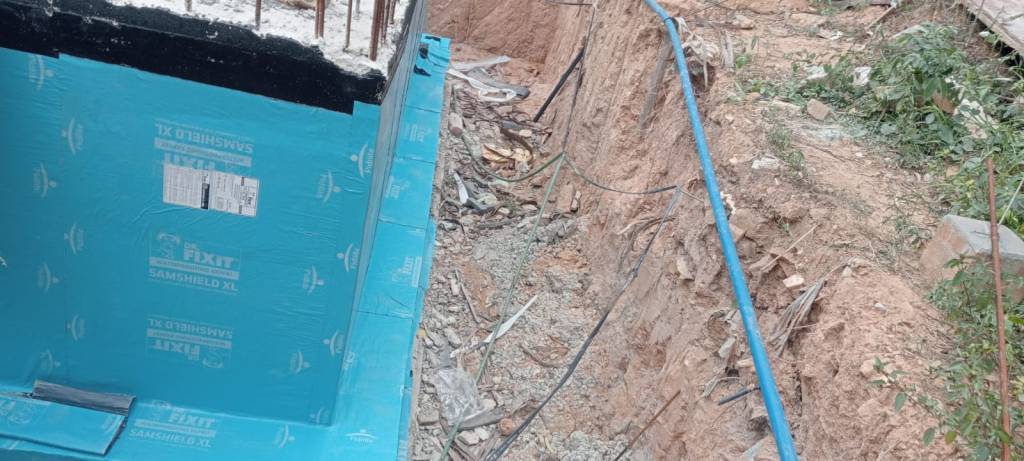
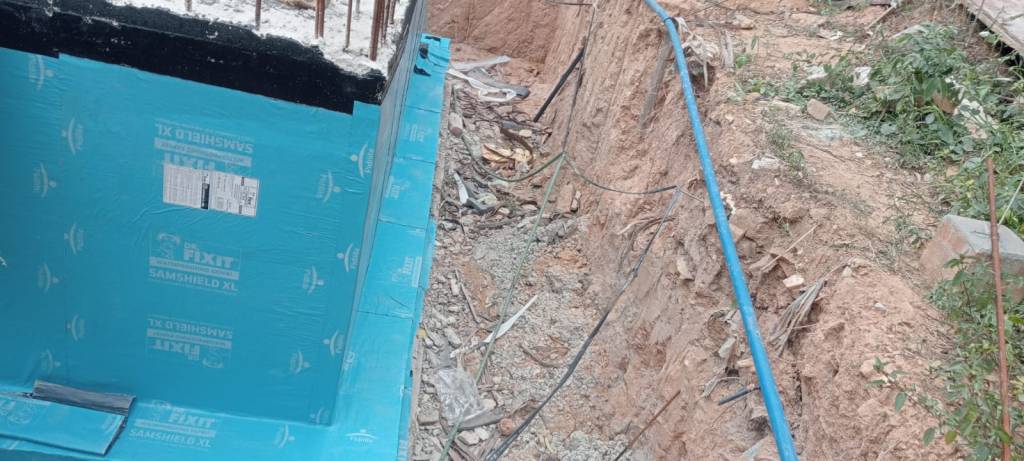
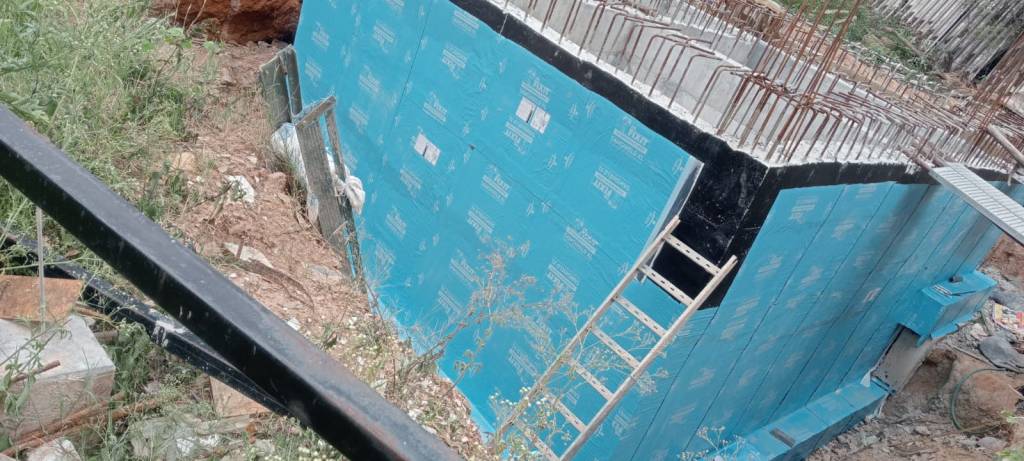
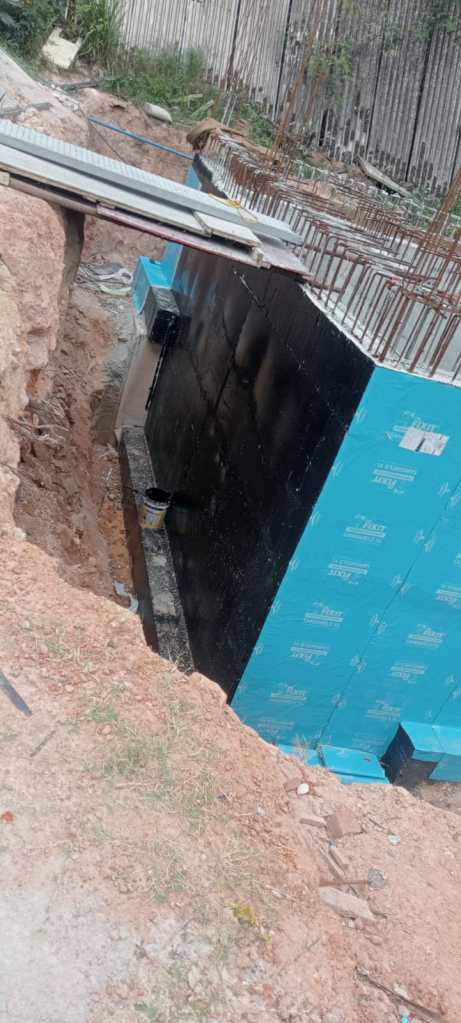
- Uses: Typically applied on roofs, foundations, and basement walls.
- Advantages: Highly durable, provides excellent protection against water, and is often used in heavy-duty applications.
3. Cementitious Waterproofing
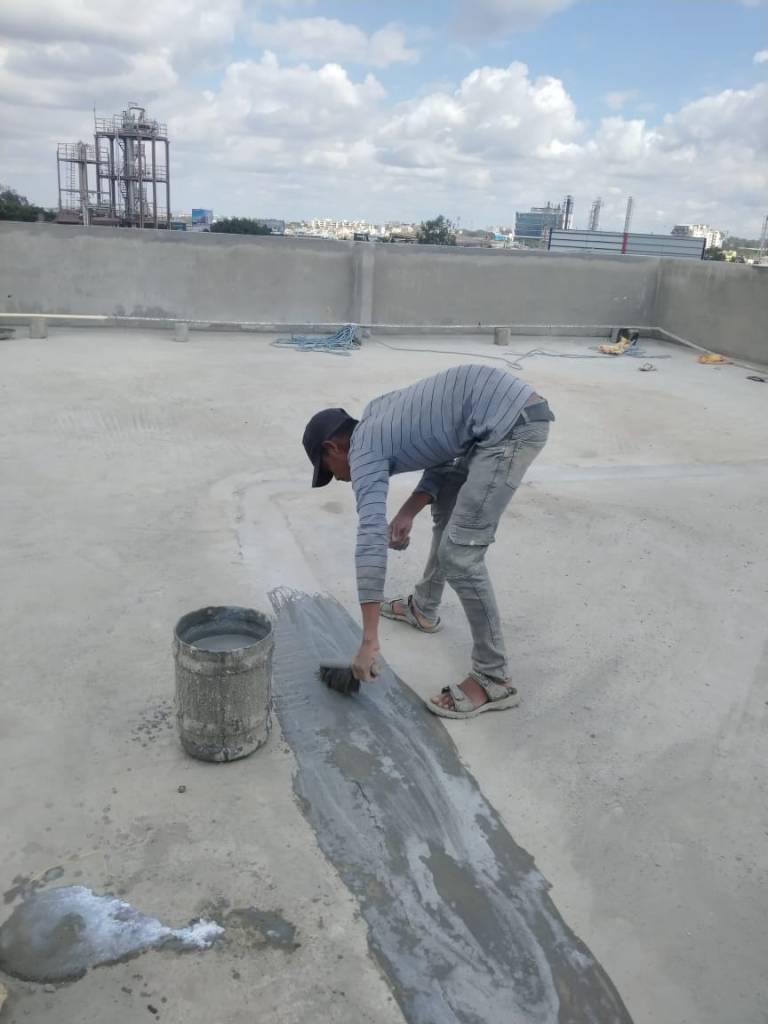
- Description: This type involves the application of a cement-based compound that forms a barrier against water. It’s usually applied as a slurry or paste and can be painted on or troweled into place.
- Uses: Ideal for basements, bathrooms, pools, and water tanks.
- Advantages: Easy to apply, cost-effective, and effective for areas with mild to moderate water exposure.
4. Polyurethane Waterproofing
- Description: Polyurethane coatings are applied as liquid solutions that create a strong, durable membrane after curing. This type of waterproofing is highly elastic.
- Uses: Applied in roofing, wet rooms, and balconies.
- Advantages: Offers strong adhesion and is highly resistant to UV rays, making it ideal for exposed surfaces.
5. Epoxy Waterproofing
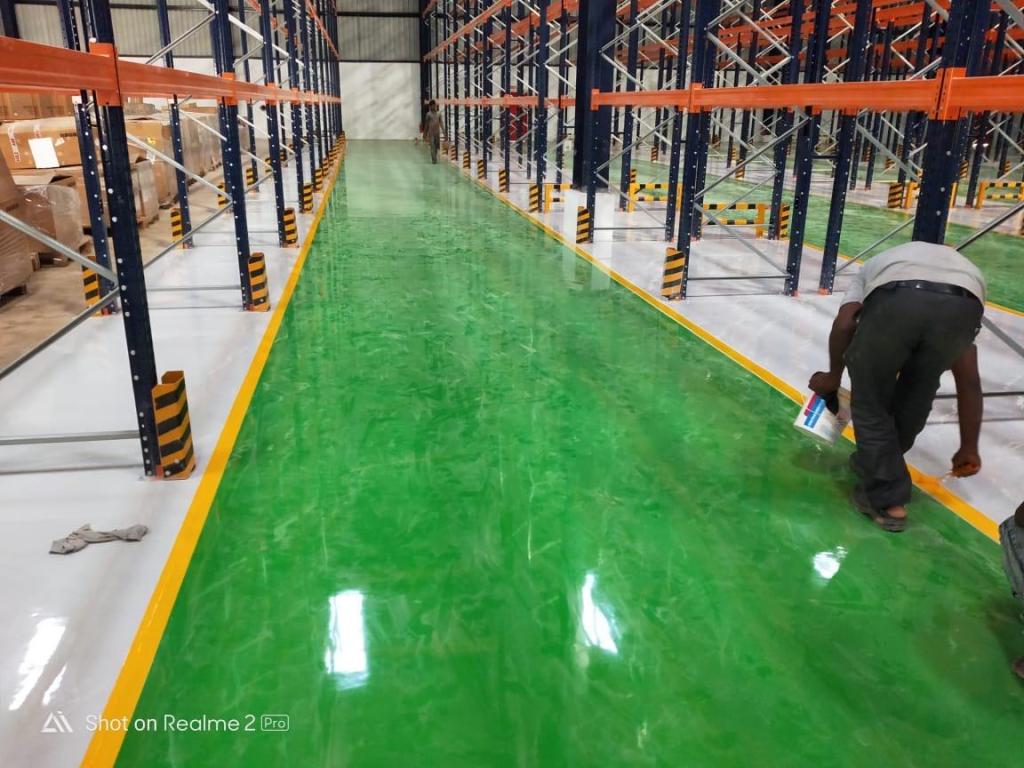
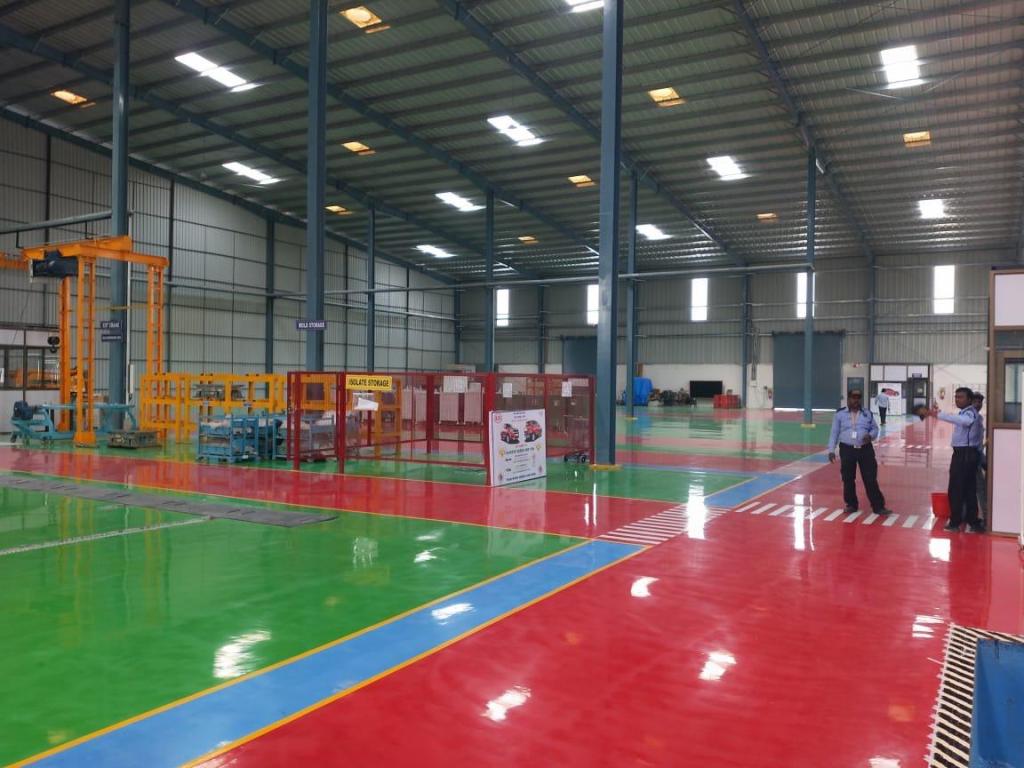
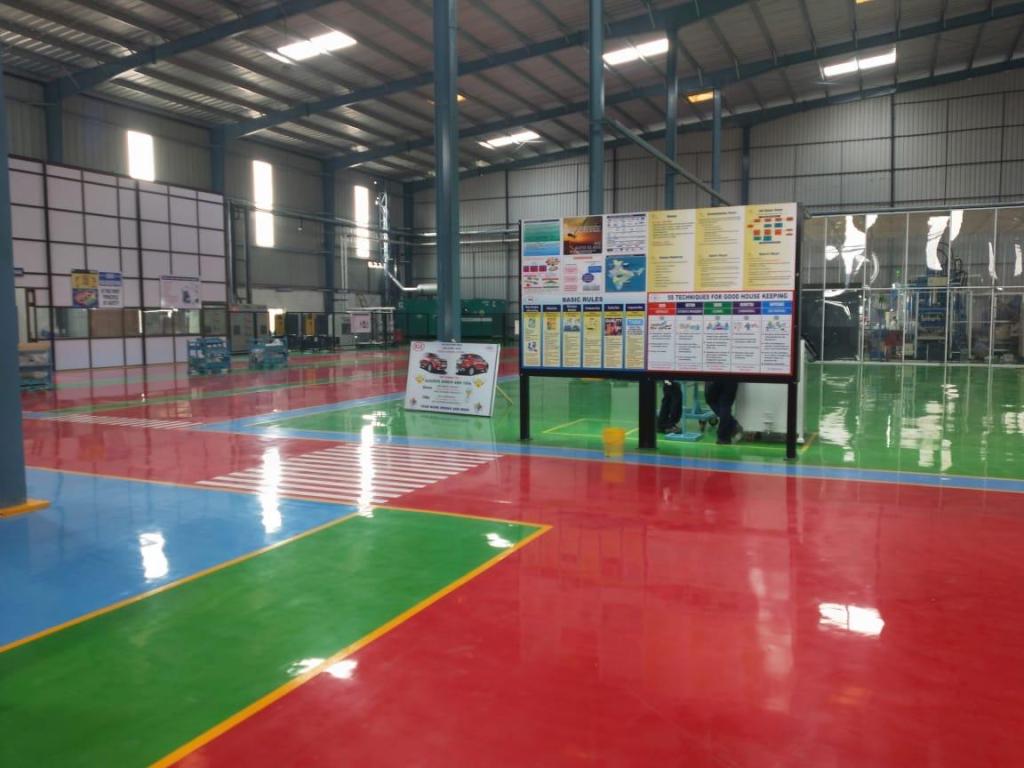
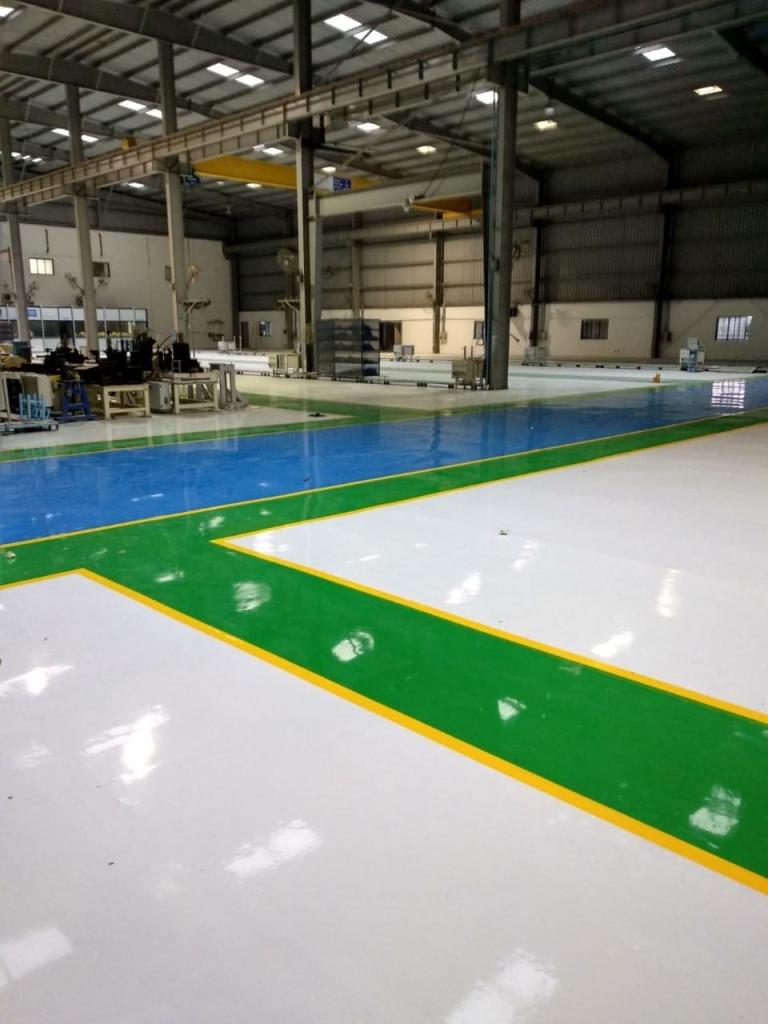
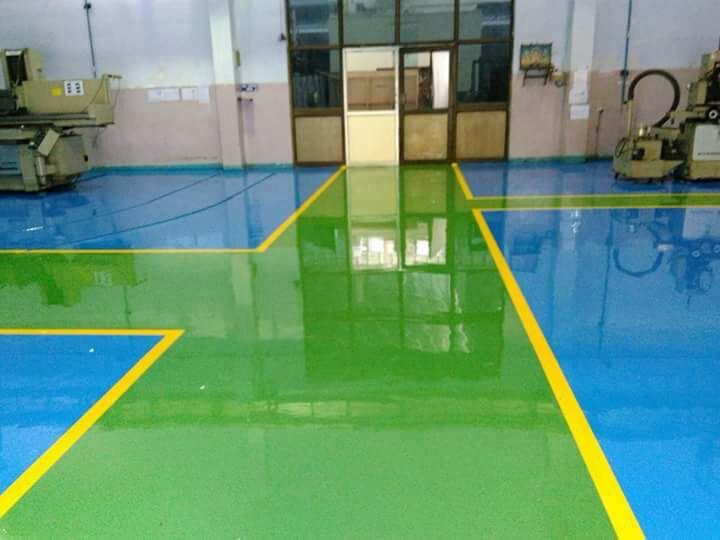
- Description: Epoxy is a resin-based material that can be applied in a thin layer to provide a hard, impermeable surface. It’s often used in flooring applications.
- Uses: Floors, basements, garages, and industrial settings.
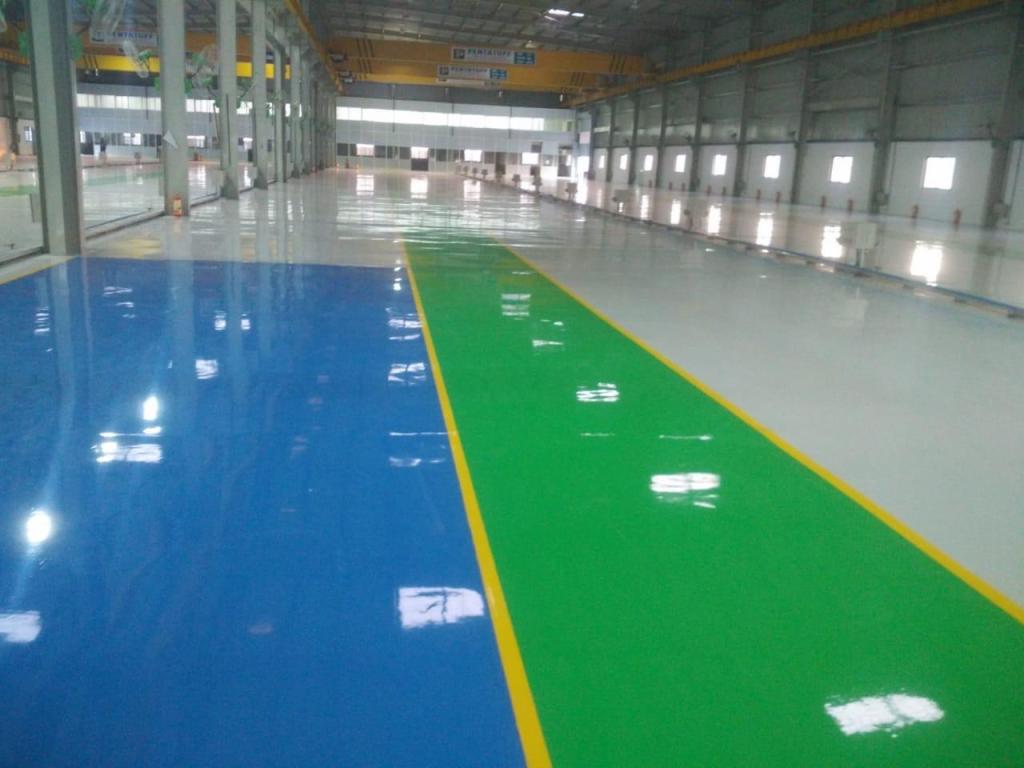
- Advantages: Extremely durable and resistant to chemical and physical wear. Great for areas prone to high traffic.
6. Crystalline Waterproofing
- Description: Crystalline waterproofing uses special chemicals that react with water and minerals in concrete to form crystalline structures within the concrete itself, blocking water from entering.
- Uses: Concrete foundations, water tanks, and basements.
- Advantages: Permanent solution, doesn’t wear out over time, and is effective in blocking water from penetrating concrete.
7. Tanking
- Description: Tanking is the process of creating a water-resistant barrier using a variety of materials, often a combination of membranes and coatings.
- Uses: Common in basements or underground spaces where external water pressure is an issue.
- Advantages: Provides complete waterproofing by fully sealing the space and preventing water penetration from external sources.
8. External Membrane Waterproofing
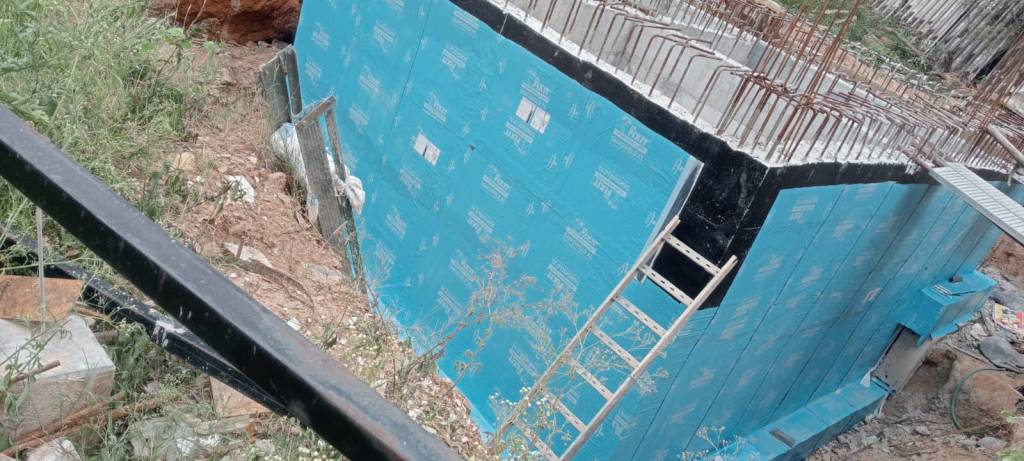
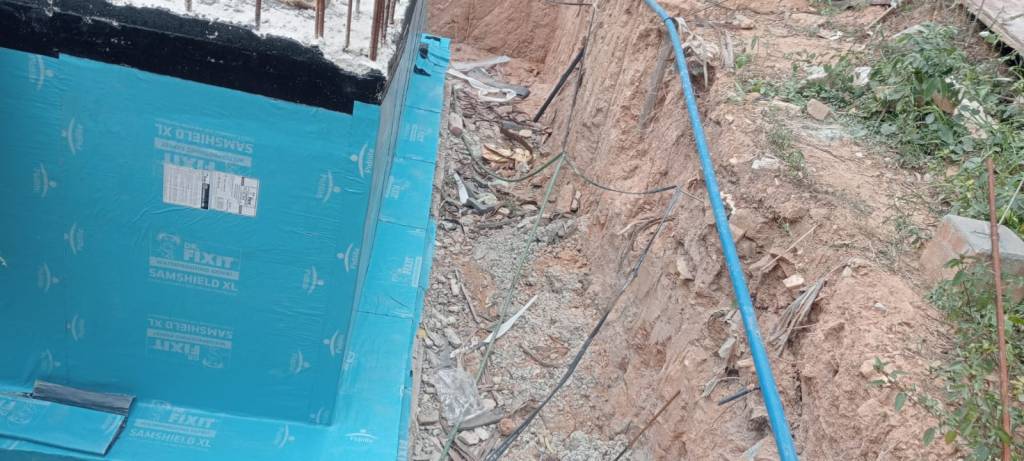
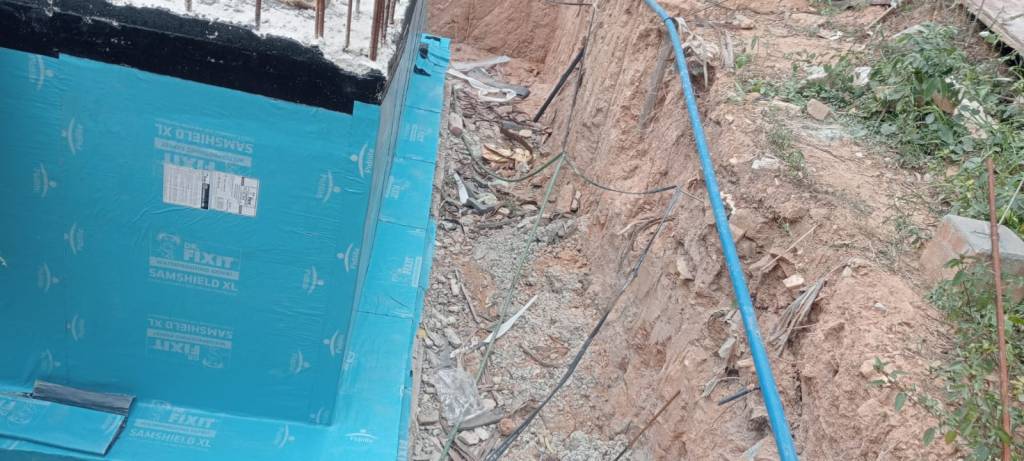
- Description: This involves the installation of waterproof membranes on the exterior walls of buildings, often combined with a drainage system to direct water away.
- Uses: Used for foundations, basement walls, and areas prone to high water pressure.
- Advantages: Offers high protection by addressing water from the outside and prevents hydrostatic pressure from damaging the structure.
9. Drainage Systems with Waterproofing
- Description: This method combines waterproof membranes with proper drainage systems, allowing water to be directed away from the building. It’s commonly used when there’s a high risk of water pooling around the foundation.
- Uses: Basements, foundations, retaining walls.
- Advantages: Prevents water accumulation and reduces the strain on waterproofing materials by allowing water to flow away from the structure.
10. Injection Waterproofing
- Description: A method where specialized waterproofing resins or chemicals are injected into cracks and joints in walls or floors. The chemicals expand, sealing the cracks and stopping water infiltration.
- Uses: Cracks in basements or foundation walls, structural repairs.
- Advantages: Fast-acting, easy to apply, and effective for localized problems, like cracks or leaks.
Choosing the Right Waterproofing Type
- For Basements: Cementitious, crystalline, or external membrane waterproofing is ideal for foundations and basements because of their ability to handle external water pressure and prevent moisture infiltration.
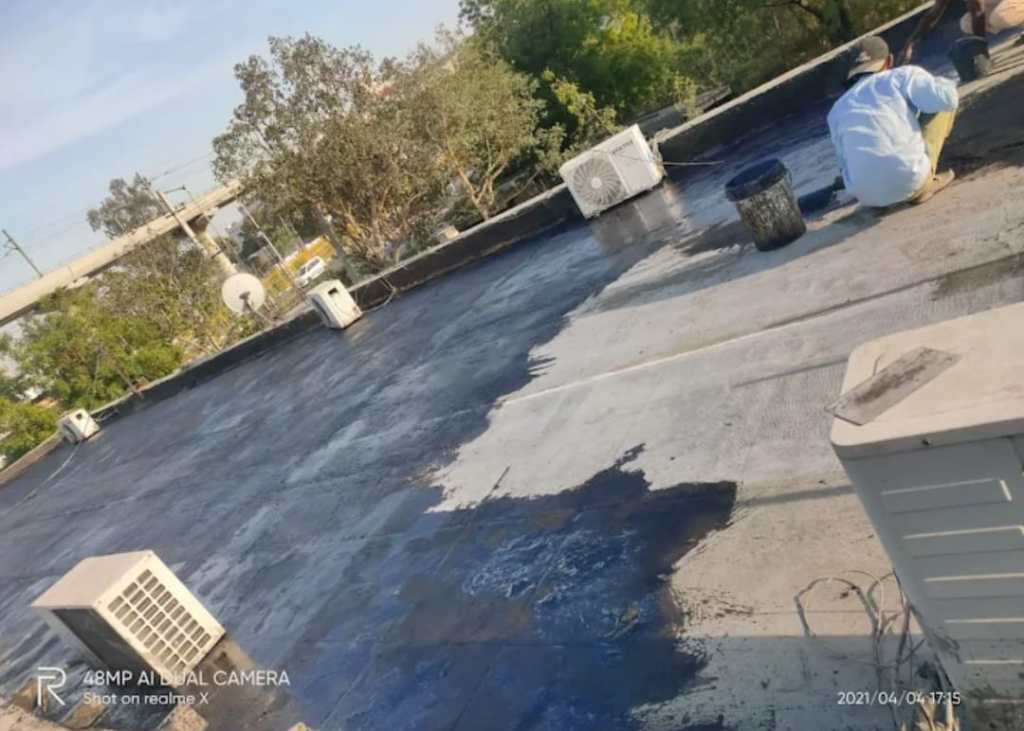
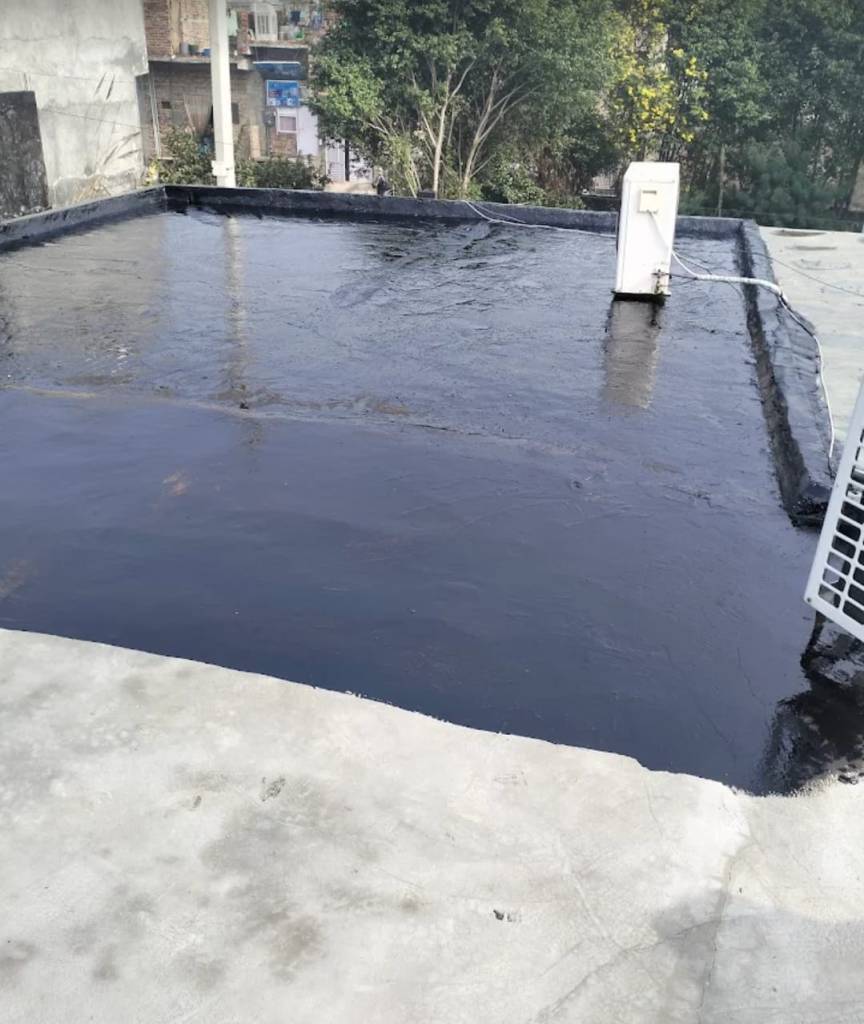
- For Roofs: Liquid membranes, bituminous membranes, or polyurethane coatings are excellent choices because they can form a durable, seamless layer that withstands weathering and UV exposure.
- For Wet Areas (Bathrooms, Kitchens): Liquid membranes or epoxy coatings work best in these areas as they create a seamless, moisture-resistant barrier.
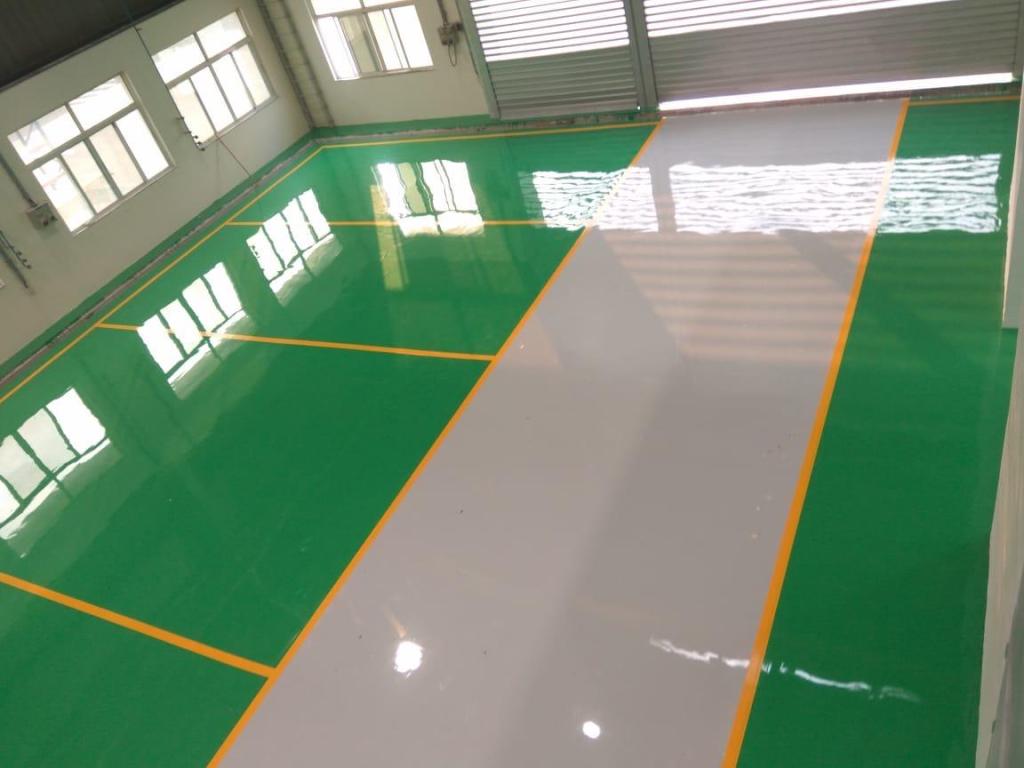
- For Floors: Epoxy coatings and polyurethane options provide durable and resistant surfaces for high-traffic areas prone to moisture.
- For Foundations: External membranes, tanking, and crystalline waterproofing are common solutions for protecting the foundation from water ingress.
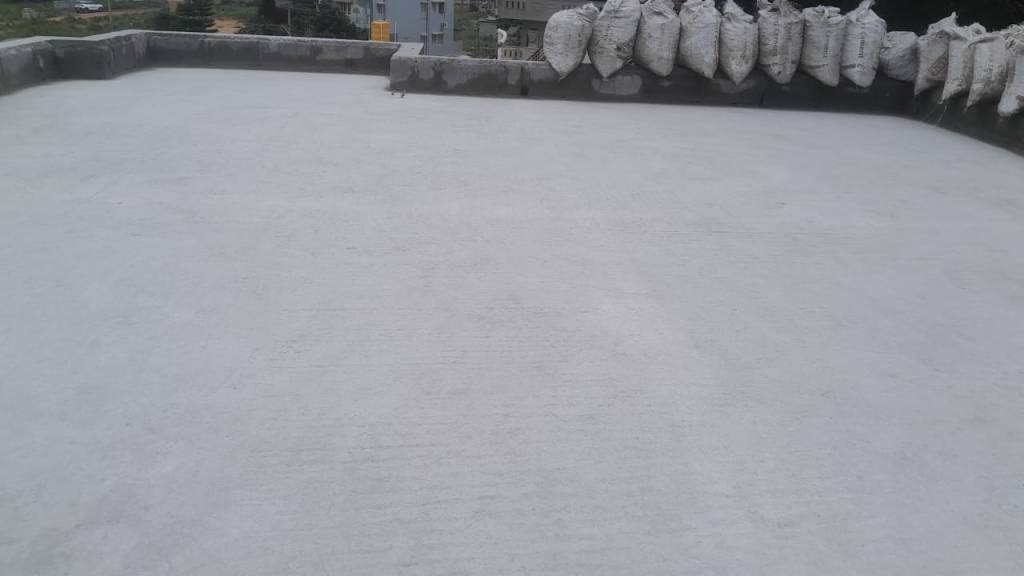
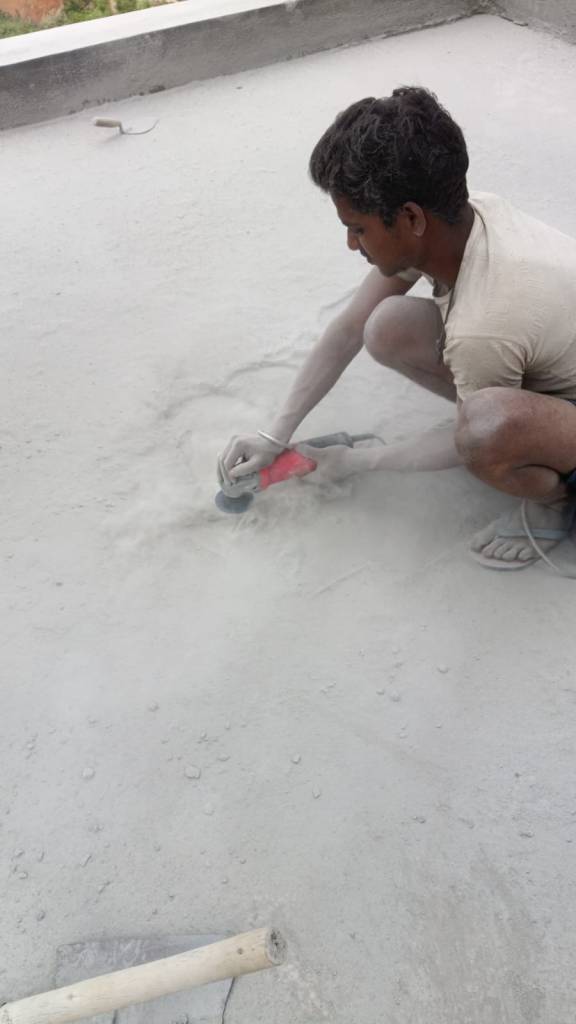
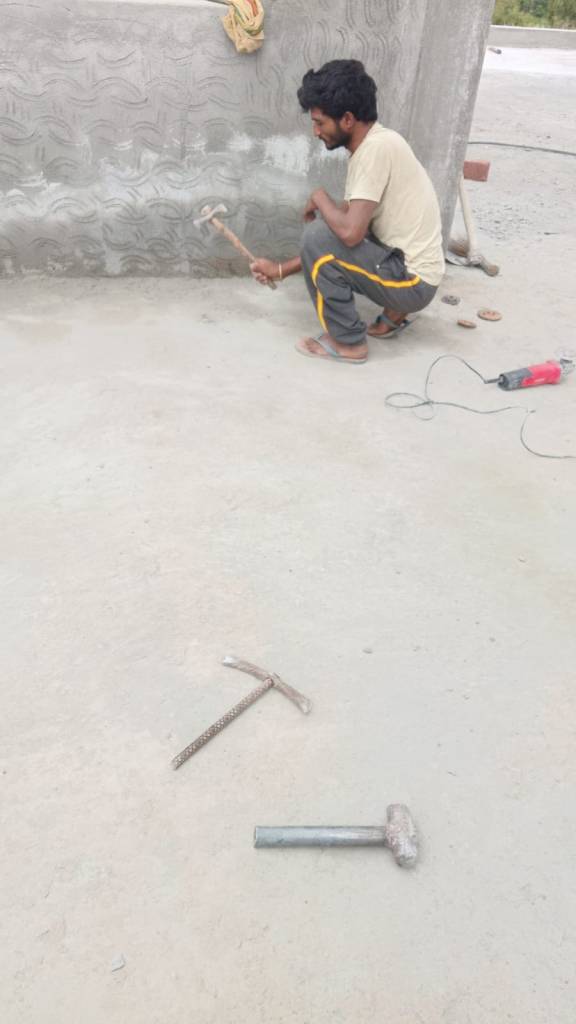
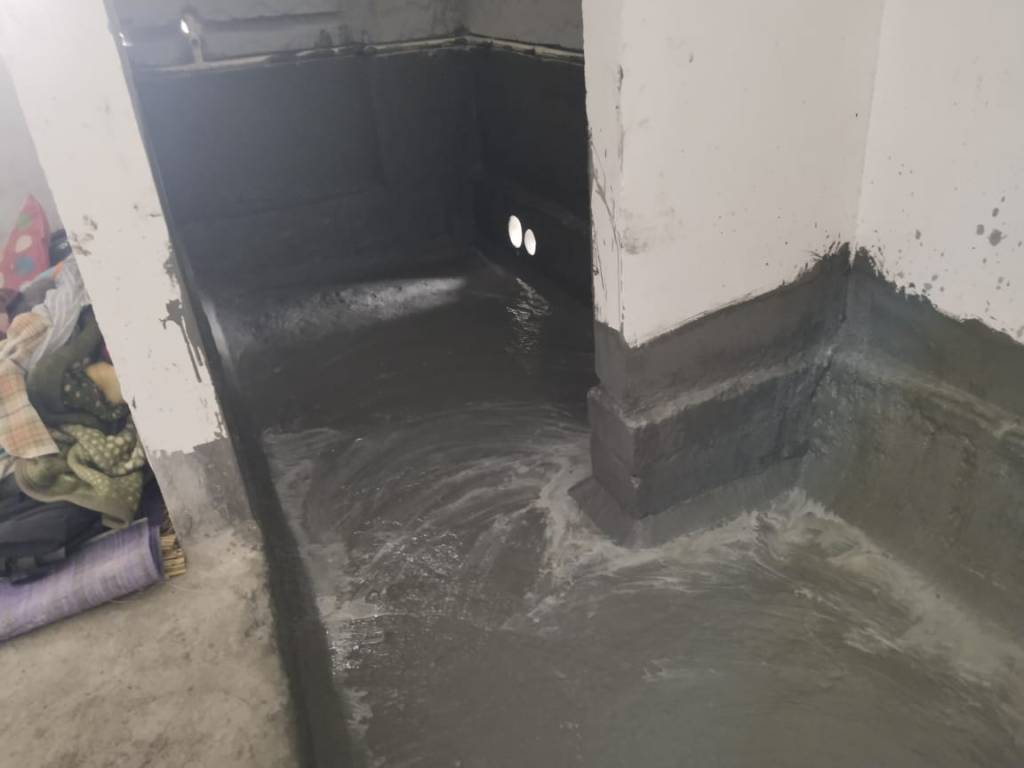
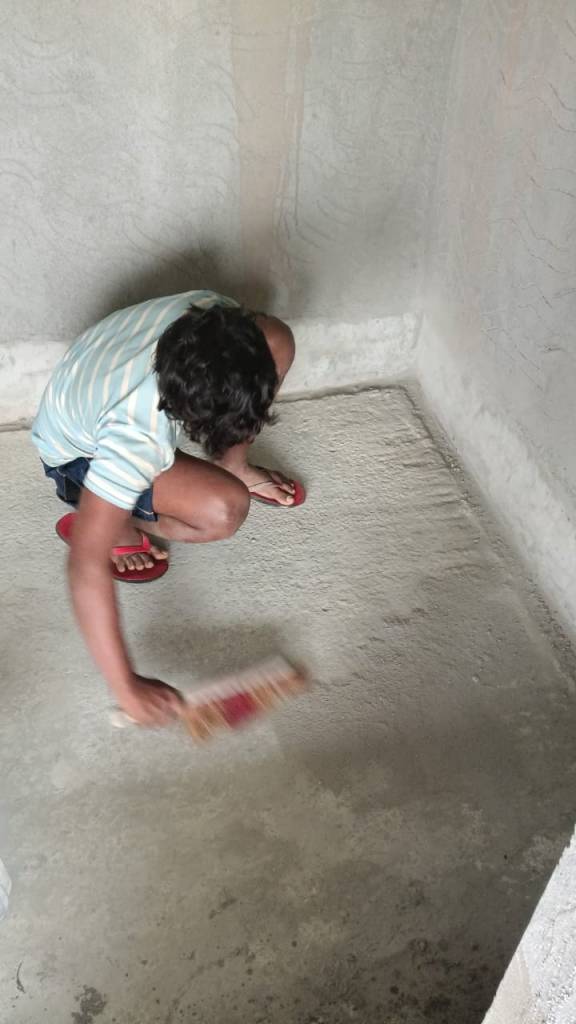
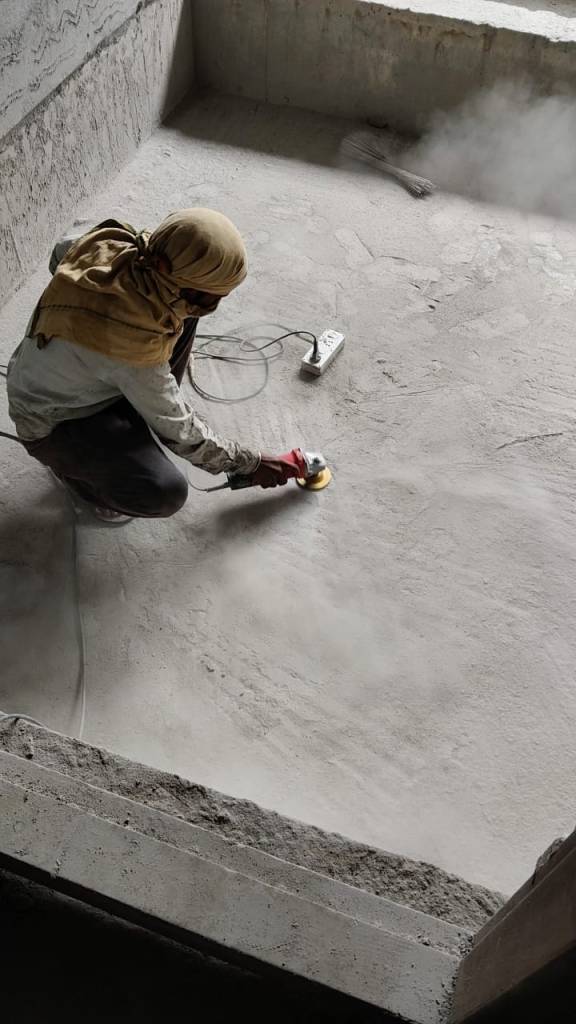
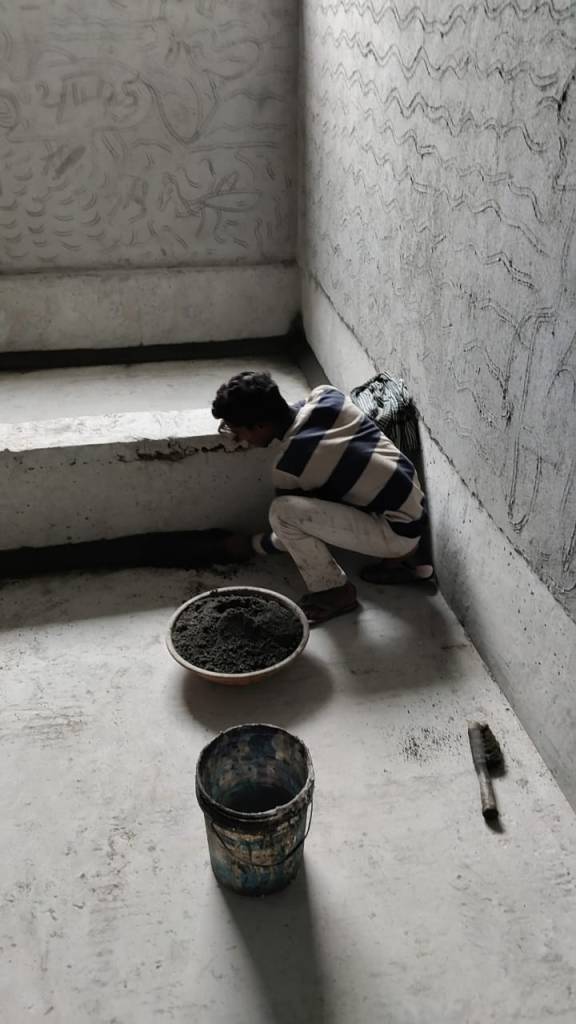
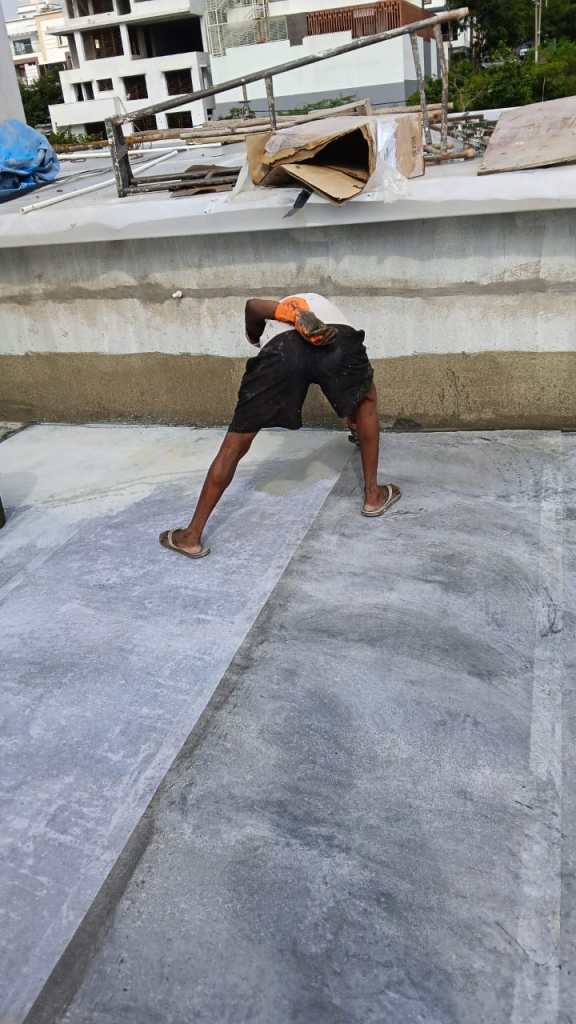
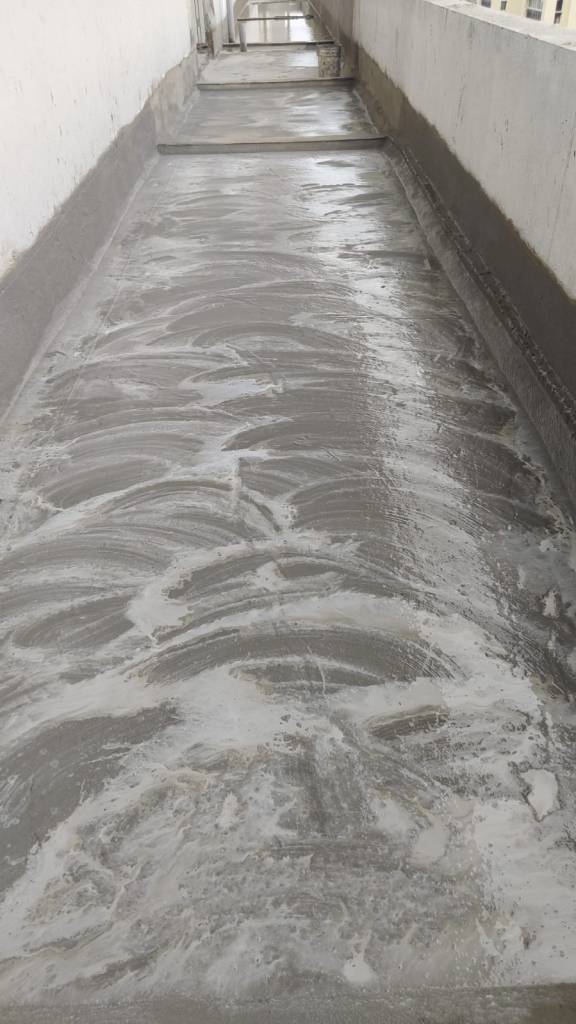
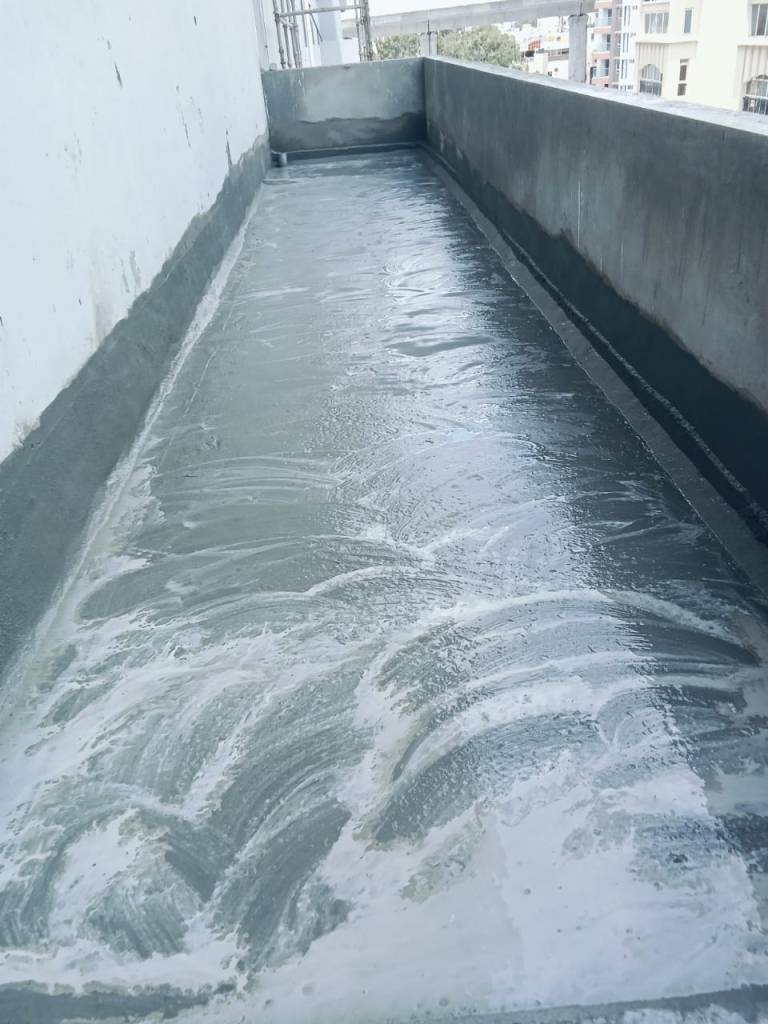
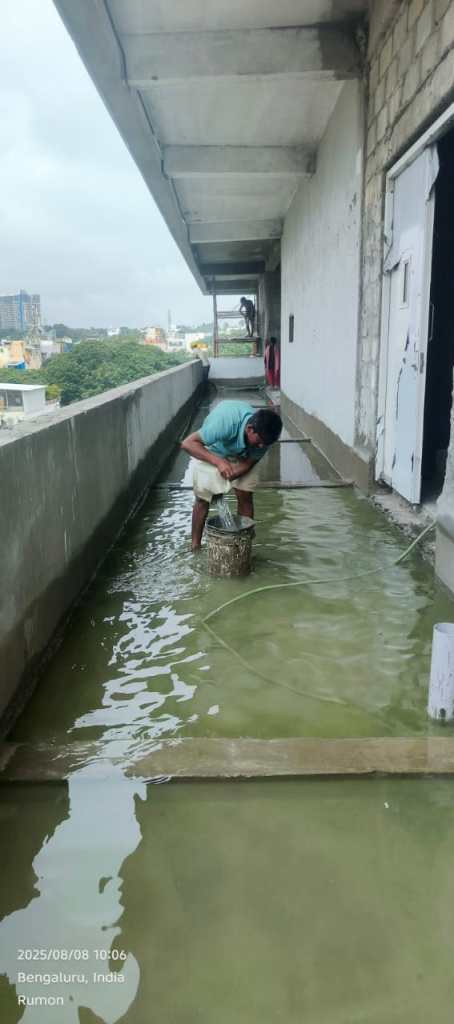
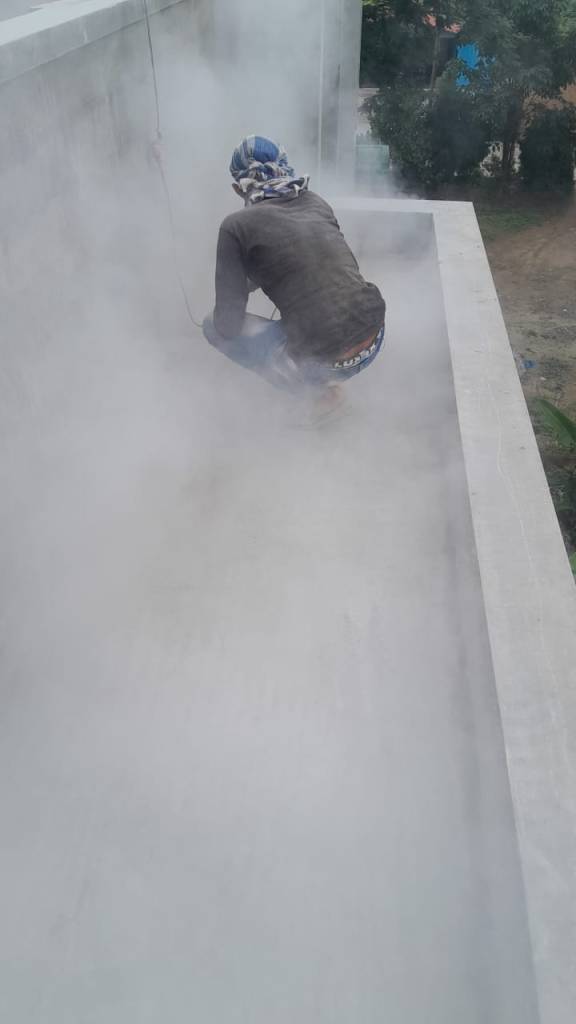
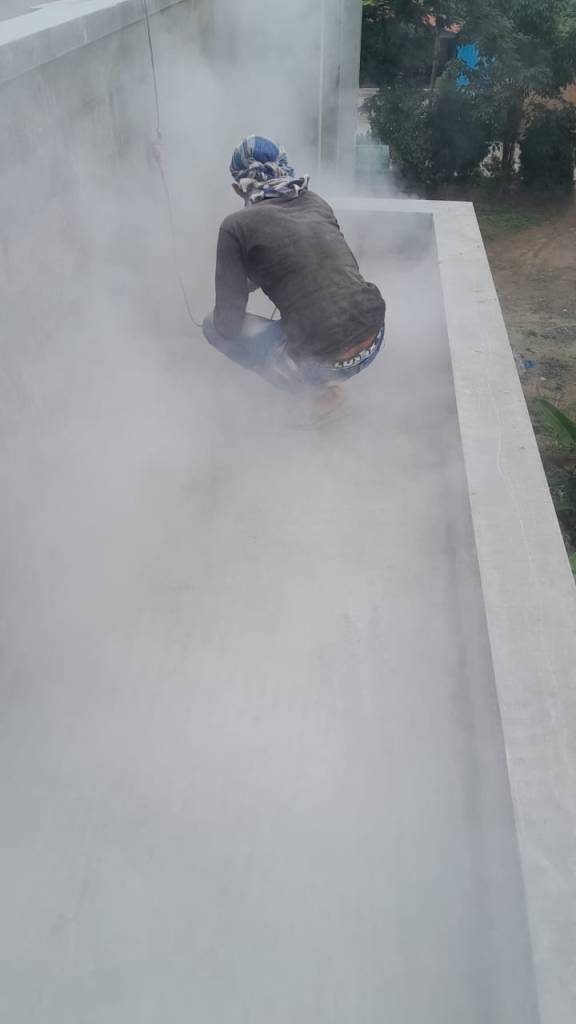
Epoxy is a versatile material used in coatings, adhesives, and flooring. Different types of epoxy offer unique properties depending on the application. Here are the main types
1. Bisphenol-A (BPA) Epoxy
- Description: The most common type of epoxy, made from bisphenol-A and epichlorohydrin. It’s used in a wide range of applications due to its durability and strong adhesion properties.
- Uses: Floor coatings, adhesives, paints, protective coatings, marine coatings.
- Advantages: Strong, durable, resistant to chemicals and moisture.
2. Bisphenol-F (BPF) Epoxy
- Description: A variation of BPA epoxy, it’s slightly more rigid and has a faster curing time.
- Uses: Used in adhesives, protective coatings, and composite materials.
- Advantages: Higher resistance to heat and chemicals compared to BPA epoxy. Used in more demanding industrial applications.
3. Novolac Epoxy
- Description: A type of epoxy that is made with a novolac resin (phenolic-based) mixed with an epoxy compound. Known for its high resistance to heat, chemicals, and solvents.
- Uses: Industrial coatings, chemical-resistant coatings, high-temperature environments.
- Advantages: Excellent thermal stability and chemical resistance, making it ideal for harsh industrial environments.
4. Epoxy-Polyamine
- Description: This type of epoxy is mixed with a polyamine hardener to create a system with superior adhesion and durability.
- Uses: Marine coatings, industrial applications, protective coatings.
- Advantages: Good impact and abrasion resistance, excellent for bonding metal and concrete surfaces.
5. Epoxy-Phenolic
- Description: Epoxy resins combined with phenolic resins to improve resistance to heat and chemicals.
- Uses: Marine coatings, protective coatings for metal, corrosion-resistant coatings.
- Advantages: Superior chemical resistance, especially in highly corrosive environments. Often used in high-performance coatings.
6. Flexible Epoxy (or Rubberized Epoxy)
- Description: This type of epoxy contains additives or polymers that provide increased flexibility. It’s less brittle than traditional epoxies, making it ideal for applications that need some elasticity.
- Uses: Flooring, automotive applications, sealing, crack repairs.
- Advantages: Better resistance to cracking under stress, ideal for surfaces subject to movement or flexing.
7. Water-Based Epoxy
- Description: A more eco-friendly version of traditional epoxy, water-based epoxies are formulated to have water as the main solvent, rather than volatile organic compounds (VOCs).
- Uses: Residential flooring, walls, countertops.
- Advantages: Lower VOC emissions, safer for indoor air quality, ideal for residential and commercial spaces.
8. High-Temperature Epoxy
- Description: Formulated to withstand high heat without degrading, these epoxies are used in environments where temperatures exceed the limits of standard epoxies.
- Uses: Engine parts, aerospace applications, machinery.
- Advantages: Excellent thermal stability, can tolerate temperatures up to 600°F (315°C) or higher.
9. Fast-Cure Epoxy
- Description: This type of epoxy has a quick curing time, typically ranging from 15 minutes to an hour, depending on the specific product.
- Uses: Quick repairs, emergency fixes, small projects.
- Advantages: Speed of application and cure, ideal for jobs that require minimal downtime.
10. Clear Epoxy
- Description: A transparent or slightly amber resin that can be used in applications where a clear finish is required.
- Uses: Countertops, tabletops, art projects, coatings for wooden surfaces.
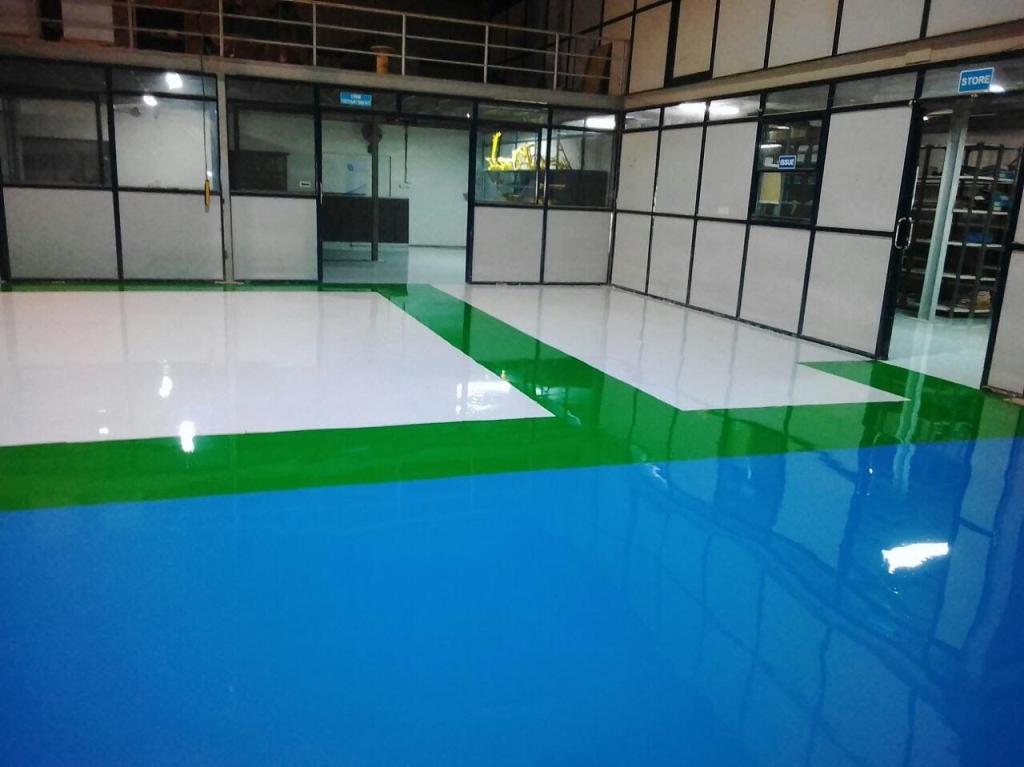
- Advantages: Offers a glossy, clear finish that enhances the appearance of the surface underneath. Ideal for artistic and decorative applications.
11. Epoxy Resin for Art & Crafts (Art Resin)
- Description: A specialized formulation of epoxy designed for art and craft projects, usually with a glossy finish that is ideal for casting and coating.
- Uses: Resin art, jewelry making, casting, coating artworks.
- Advantages: Low viscosity, easy to pour, and can be used for creating resin art pieces, coatings, and jewelry.
12. Self-Leveling Epoxy
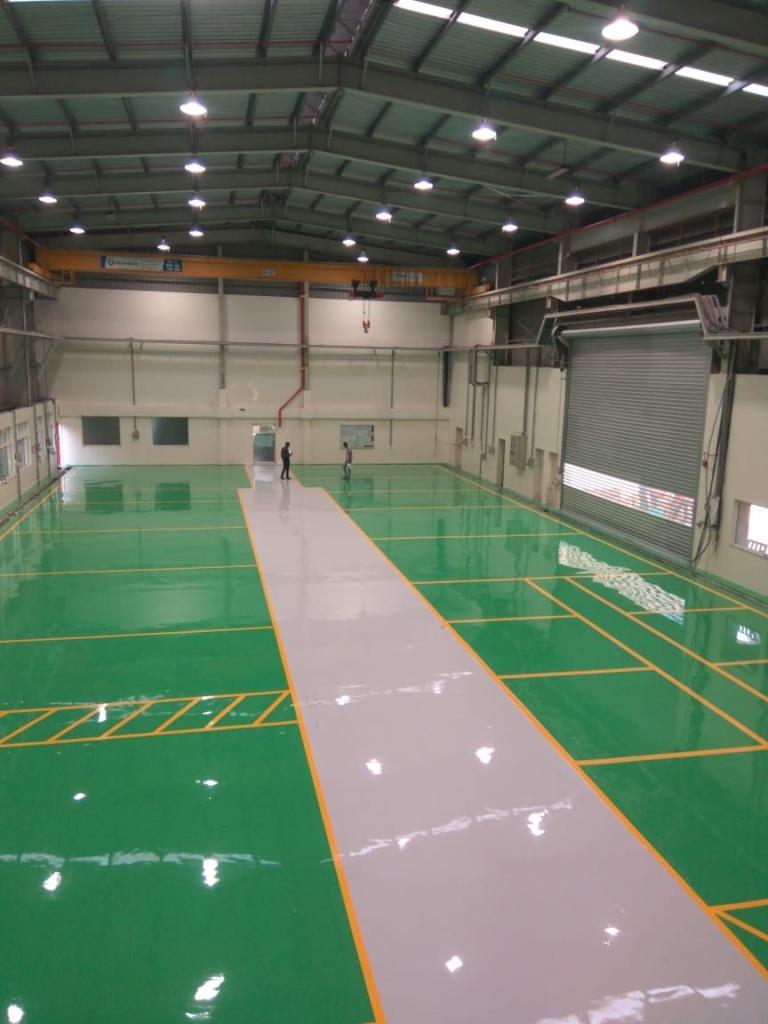
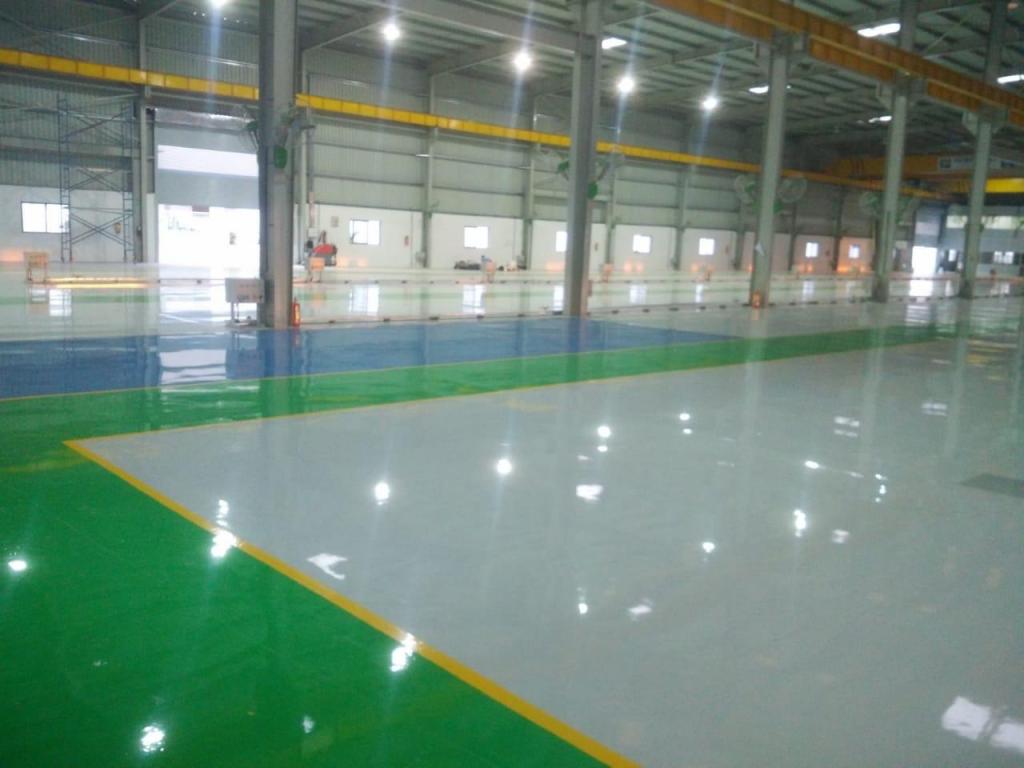
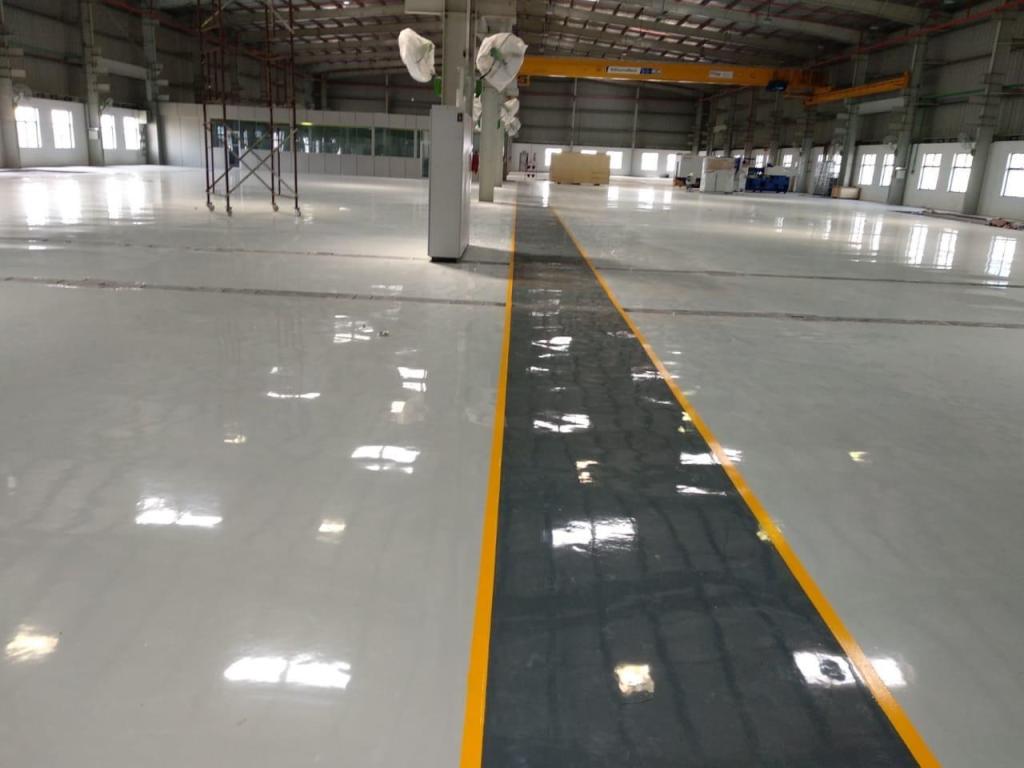
- Description: A type of epoxy resin formulated to create a smooth, level surface without requiring troweling or brushing.
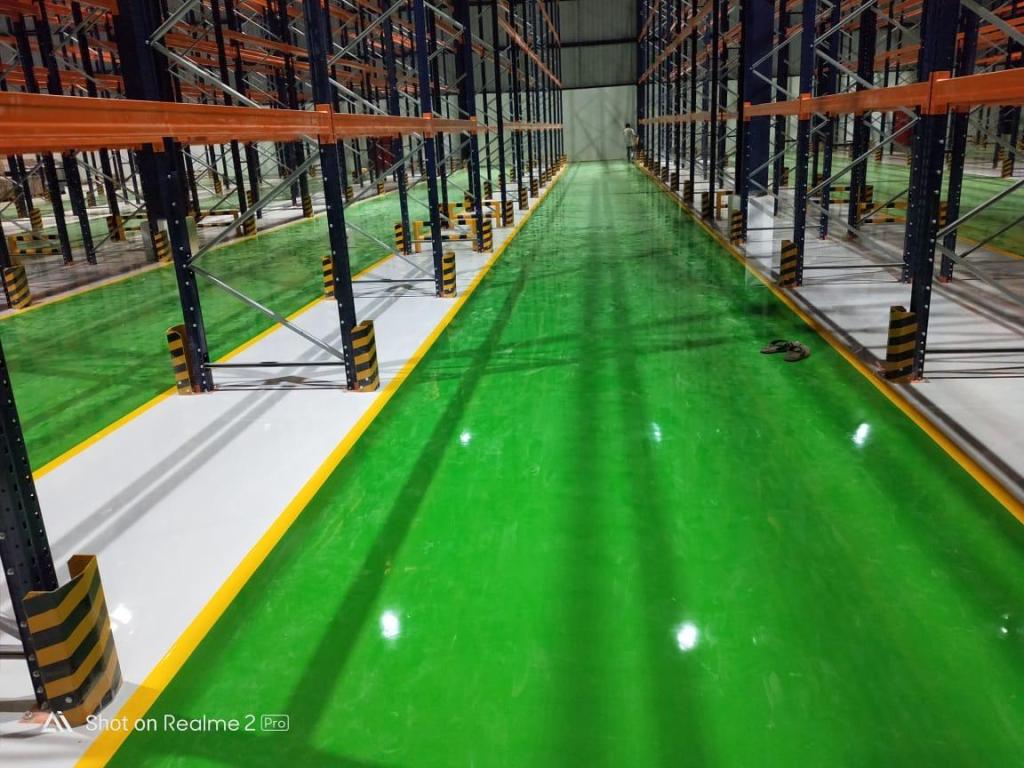
- Uses: Floor coatings, warehouse floors, garage floors.
- Advantages: Perfect for large areas, creates a flawless finish with minimal effort.
13. Epoxy Adhesives
- Description: Epoxies formulated specifically as strong bonding agents for a wide variety of materials such as metal, glass, wood, and ceramics.
- Uses: Repairs, automotive, electronics, construction.
- Advantages: Strong bond strength, resistant to moisture, temperature fluctuations, and harsh chemicals.
14. Conductive Epoxy
- Description: Epoxy resins mixed with conductive fillers (like silver or carbon) to allow electrical conductivity. Typically used in electronic applications.
- Uses: Electronic devices, circuit board repairs, electronic assemblies.
- Advantages: Provides electrical conductivity while offering the structural strength of traditional epoxy.
15. Epoxy for Concrete (Concrete Epoxy)
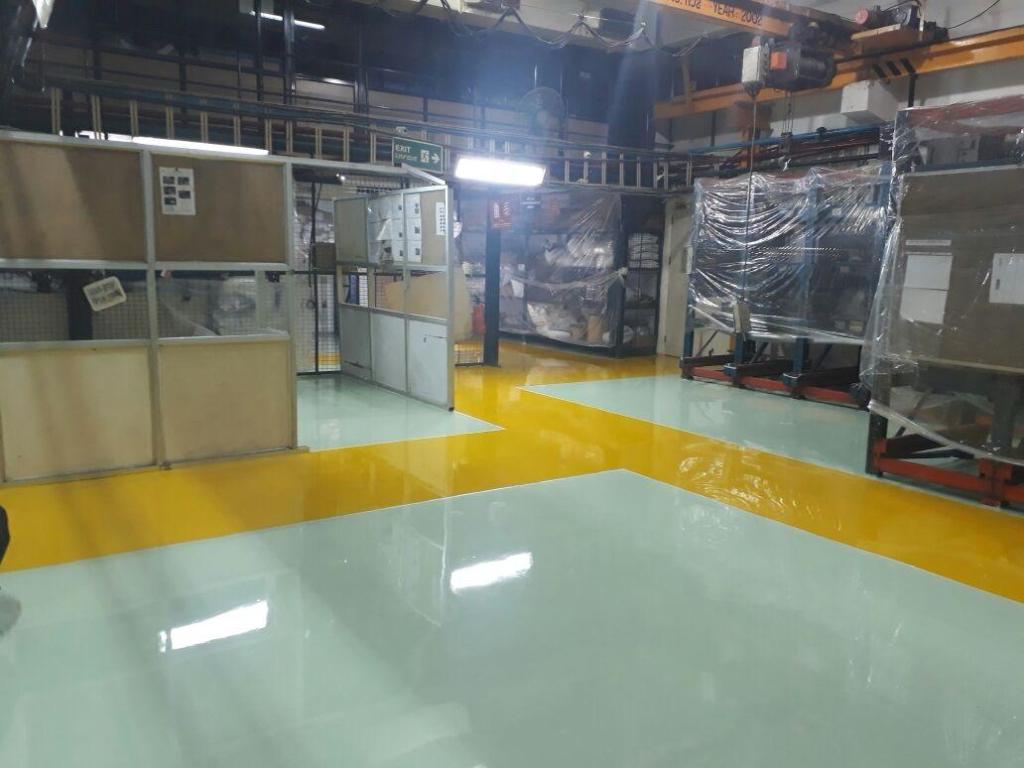
- Description: Epoxy-based products specifically designed for repairing or coating concrete surfaces. They can fill cracks, bond surfaces, and create a smooth, durable finish.
- Uses: Concrete flooring, crack repairs, industrial applications.
- Advantages: Strong bonding to concrete surfaces, excellent for filling gaps and cracks, highly durable.
Speak With an Expert – Call Now 9632998369
 www.visionspaces.org